


 Border Security & Immigration (test)
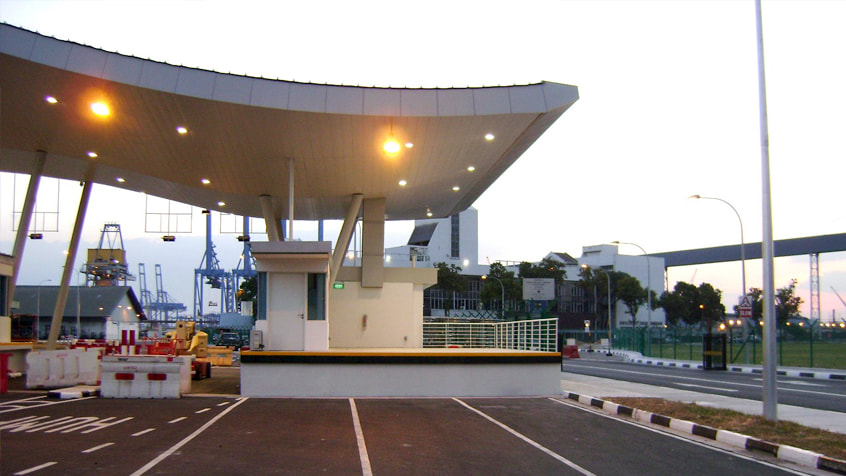
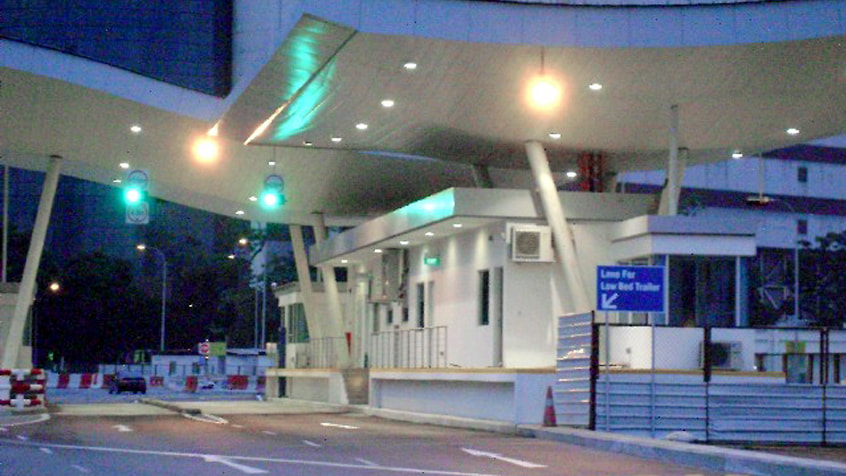
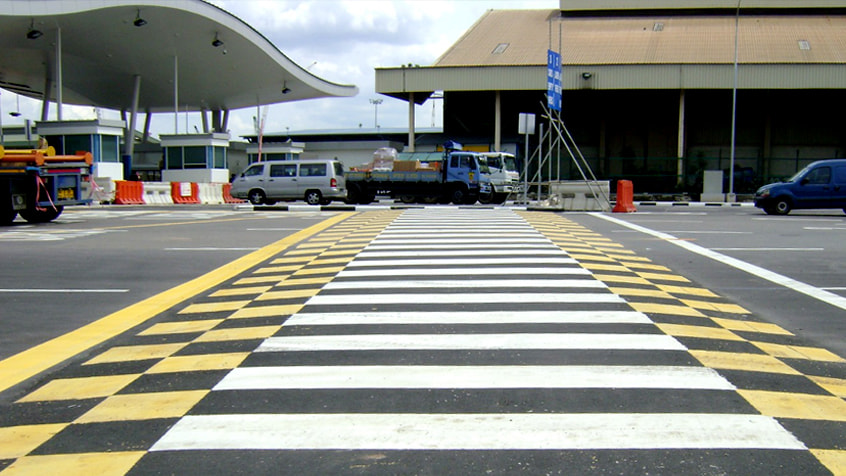
Land Checkpoints
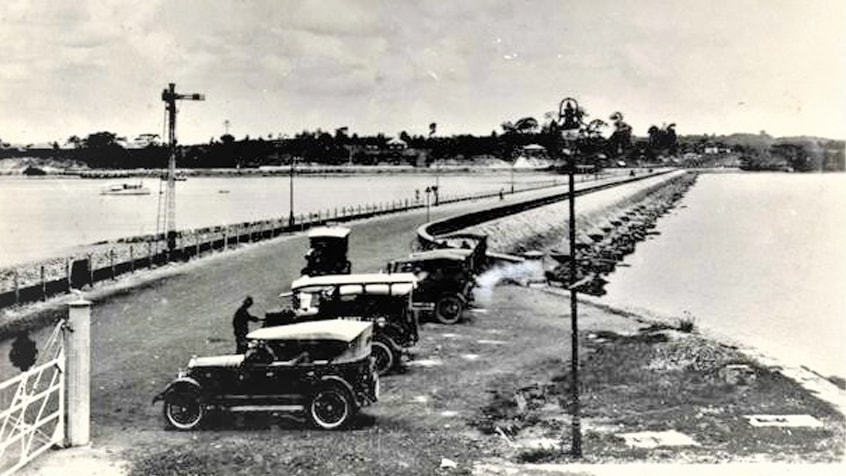
The Causeway was widened between 1960s and 1980s to ease traffic congestion.
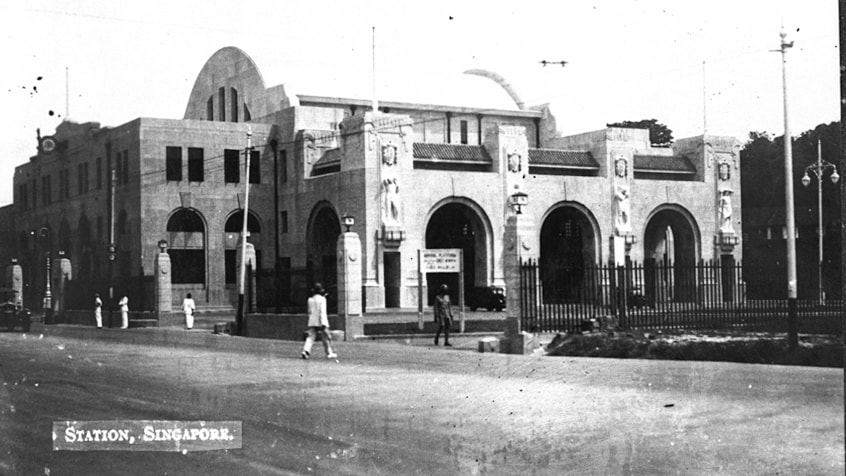
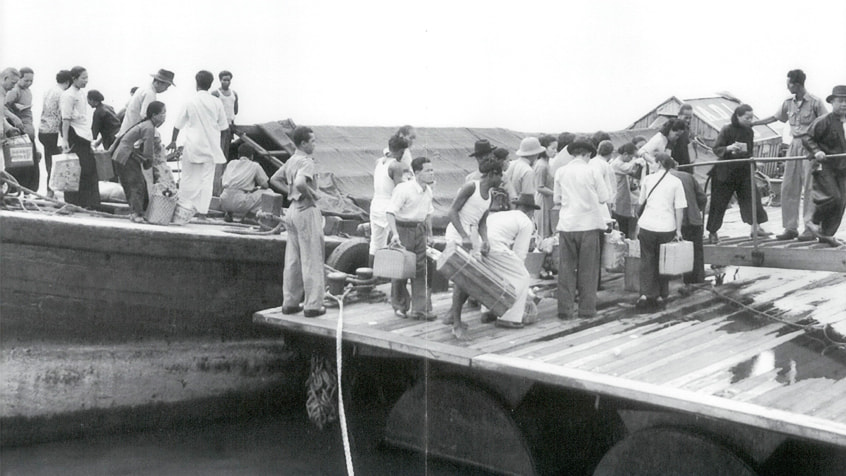
The arrival of immigrants by boat in 1951
During the Japanese occupation, a favourable view of the colonial relationship had lapsed among the local population. Upon return of the British, it resulted in demands for self-rule. Hence, separate immigration establishments were created for Malaya and Singapore after the second World War, under the British government in 1946.
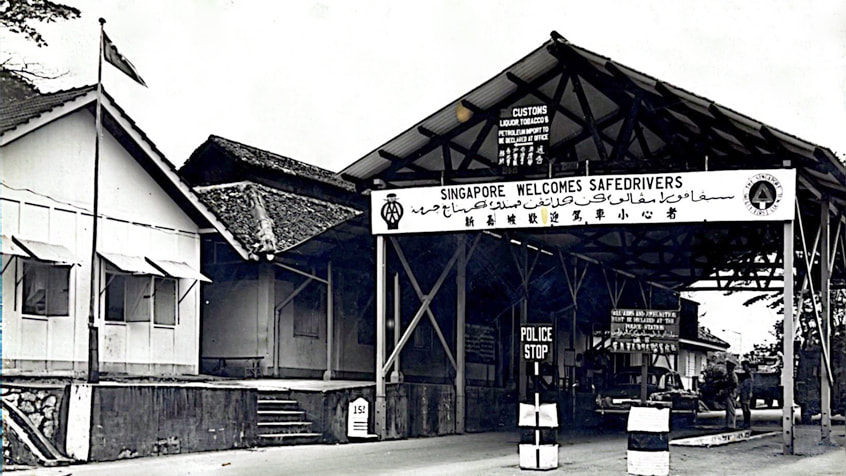
Woodlands Customs checkpoint in 1966
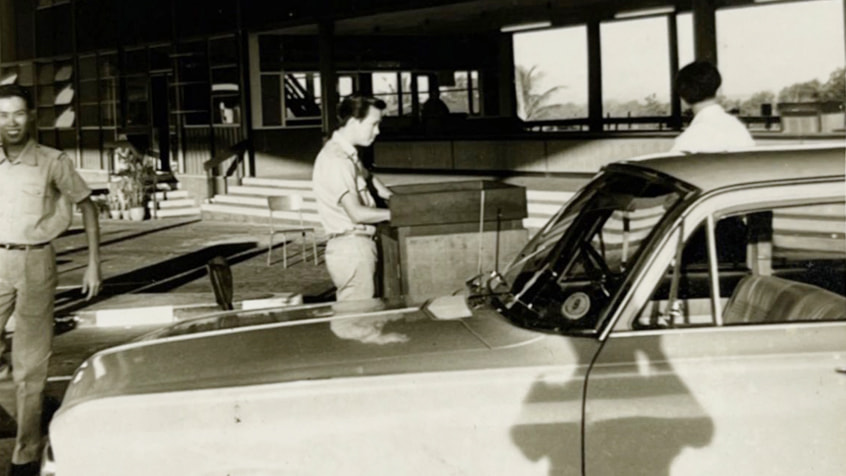
Immigration counter for car clearance in 1968
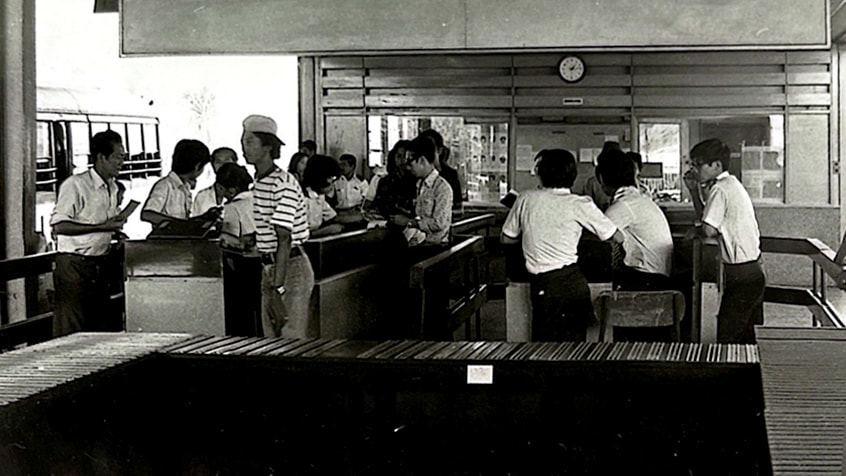
Immigration counters at bus hall in 1968
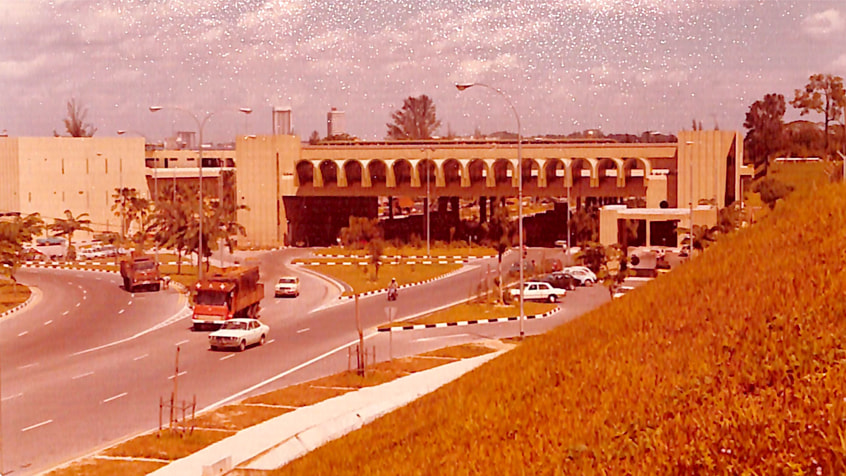
OWC in 1977
With the opening of more checkpoints, exit control was implemented in 1978 for foreign visitors, ensuring the safety and security of Singapore would remain uncompromised by preventing visitors from overstaying in Singapore illegally.
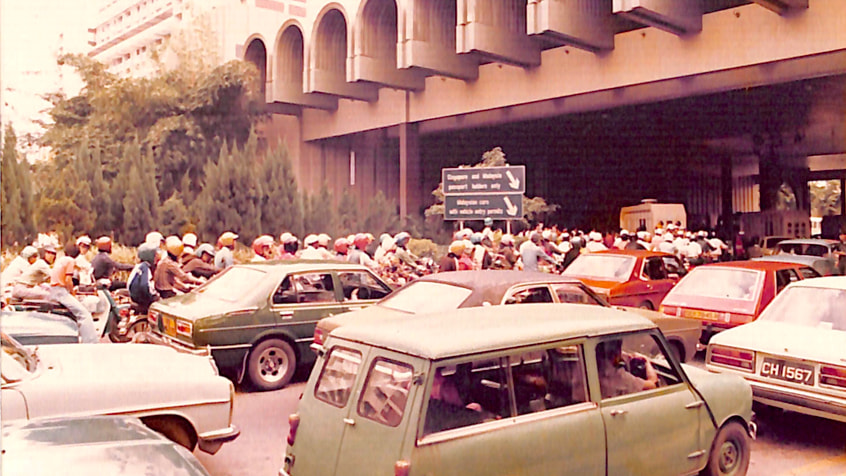
Entrance to OWC in 1977
With the opening of more checkpoints, exit control was implemented in 1978 for foreign visitors, ensuring the safety and security of Singapore would remain uncompromised by preventing visitors from overstaying in Singapore illegally.
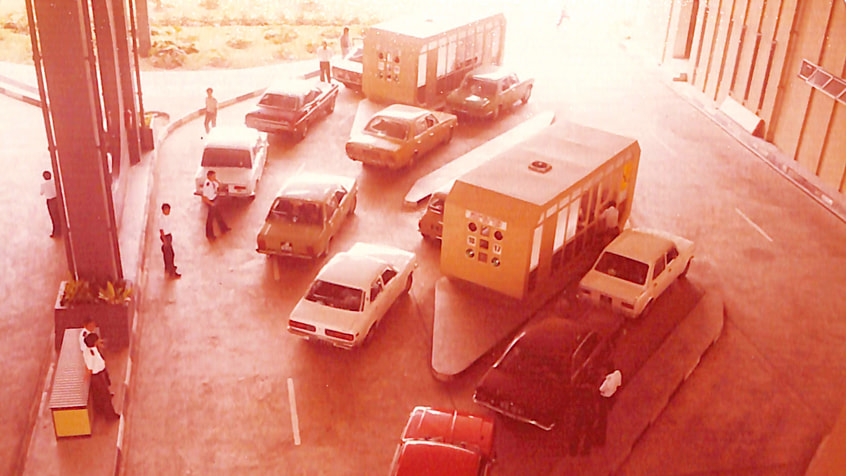
Immigration counter for car clearance in 1977
With the opening of more checkpoints, exit control was implemented in 1978 for foreign visitors, ensuring the safety and security of Singapore would remain uncompromised by preventing visitors from overstaying in Singapore illegally.
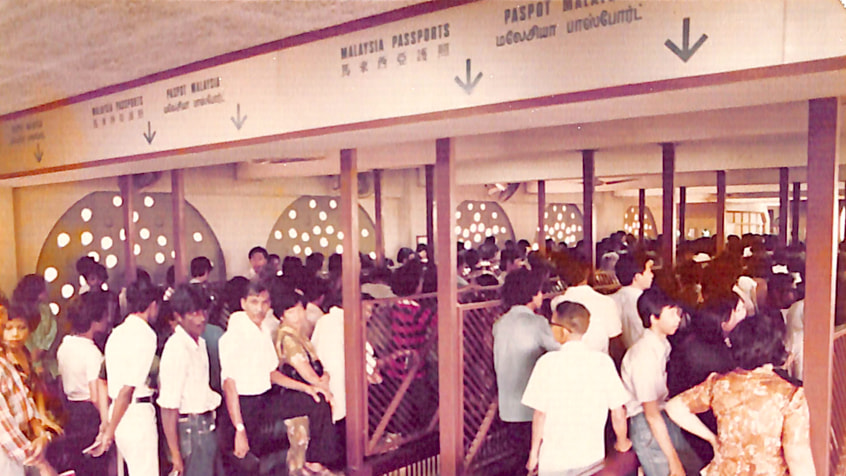
Immigration counters at bus hall in 1977
With the opening of more checkpoints, exit control was implemented in 1978 for foreign visitors, ensuring the safety and security of Singapore would remain uncompromised by preventing visitors from overstaying in Singapore illegally.
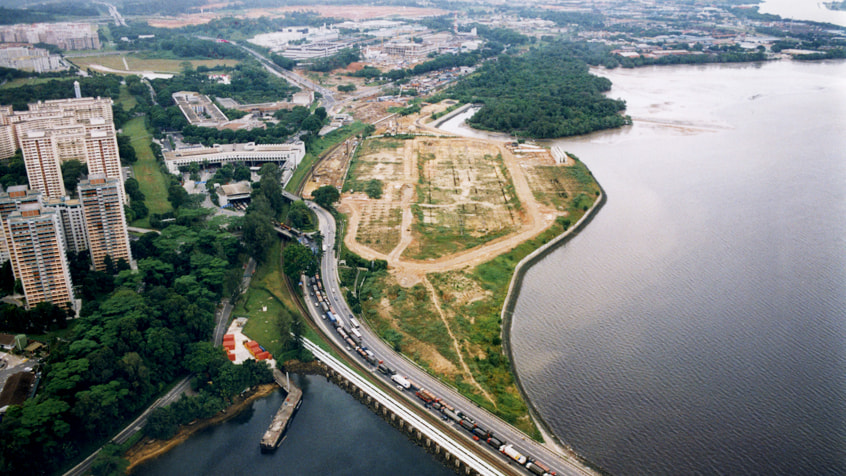
Singapore and Malaysia considered and agreed on a second crossing in 1980 to address the problem. Named as the Second Link today, the official agreement to design, build and maintain was signed by both countries in March 1994.
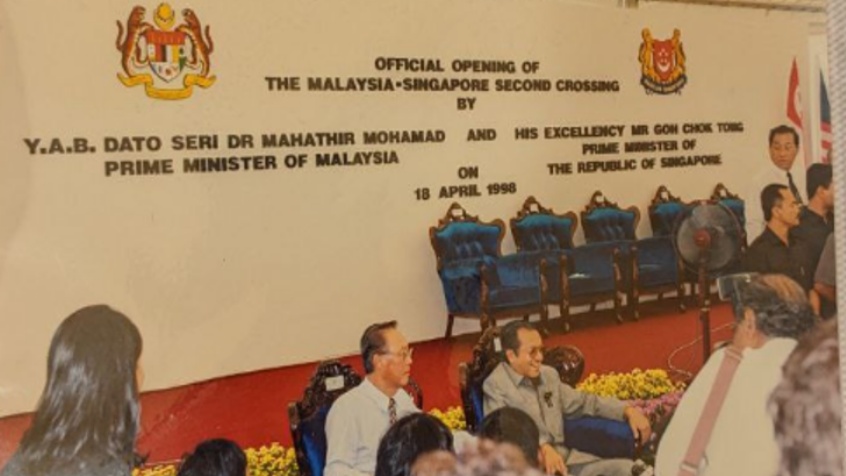
Opening ceremony of Tuas Checkpoint and Second Link
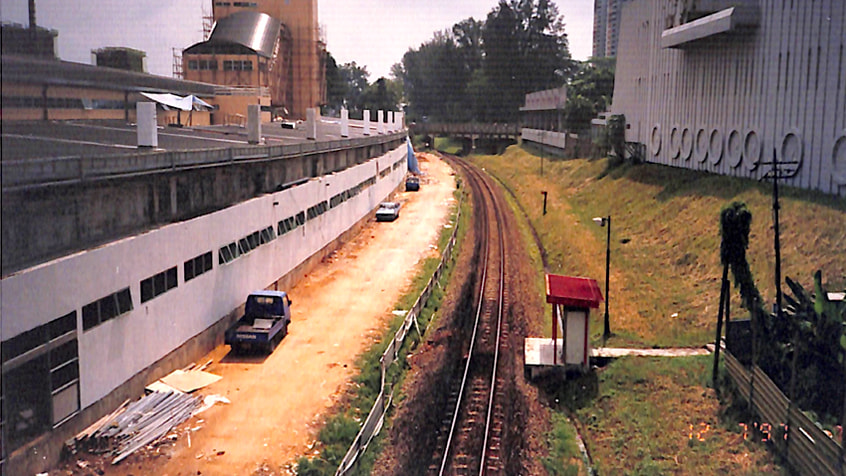
The construction of Woodlands Train Checkpoint
The co-located Singapore and Malaysia CIQ facility at Woodlands Train Checkpoint was officially opened in 2011. This symbolised the close people-to-people links between Singapore and Malaysia, and opened up new possibilities for bilateral cooperation between both countries.
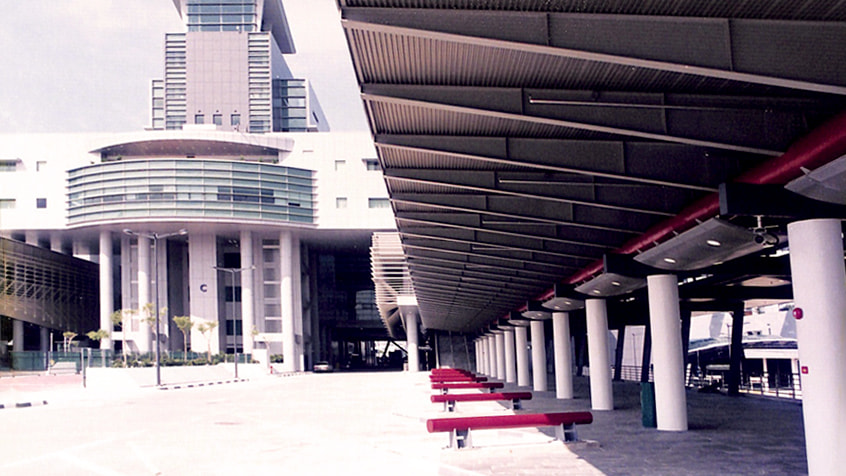
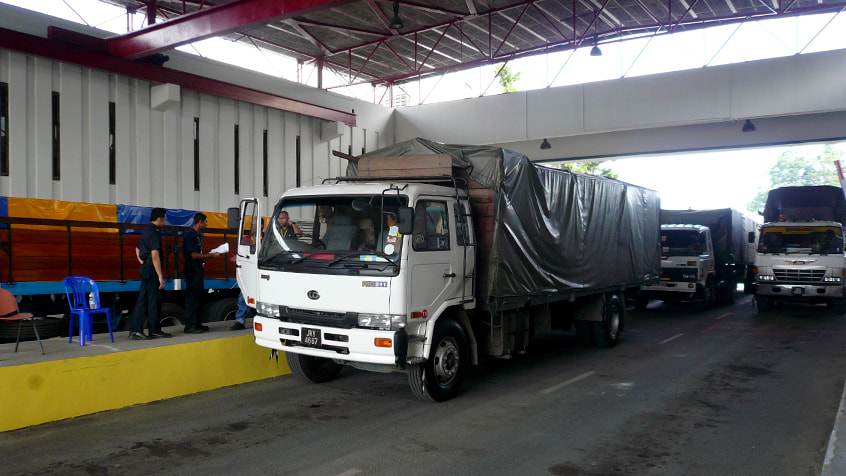
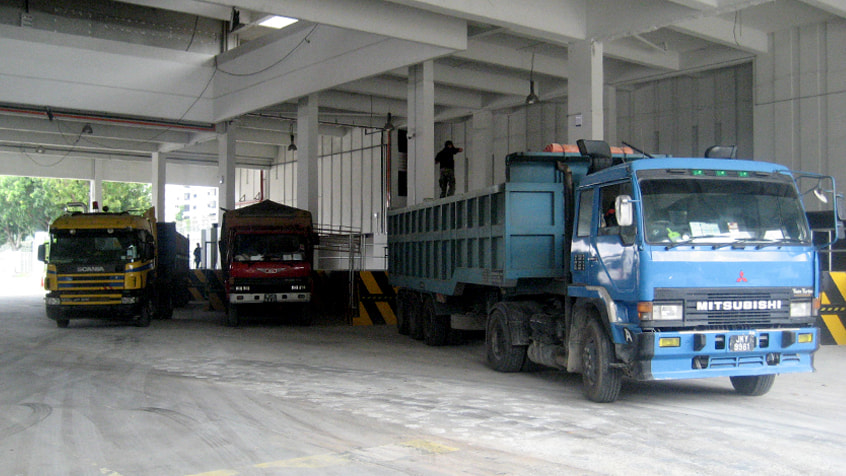
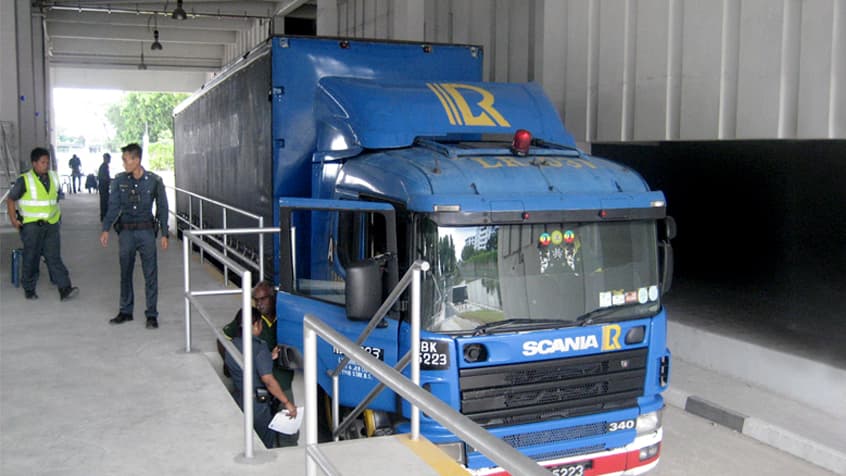
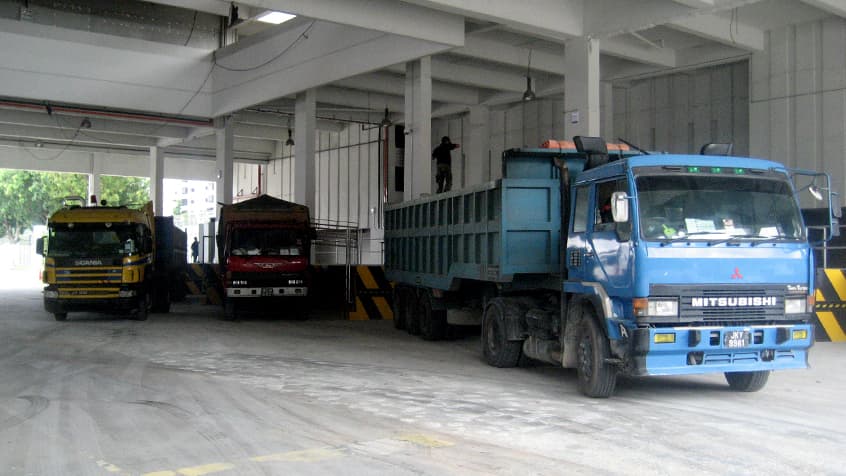
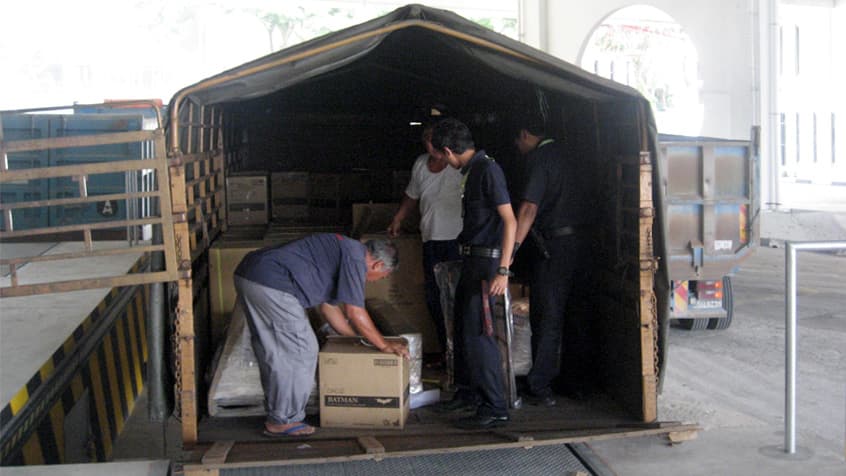
Clearance of containers at Tuas and Woodlands Checkpoints became paperless. An electronic filing facility for bulk transfer of baggage belonging to flight and cruise tour groups was launched.
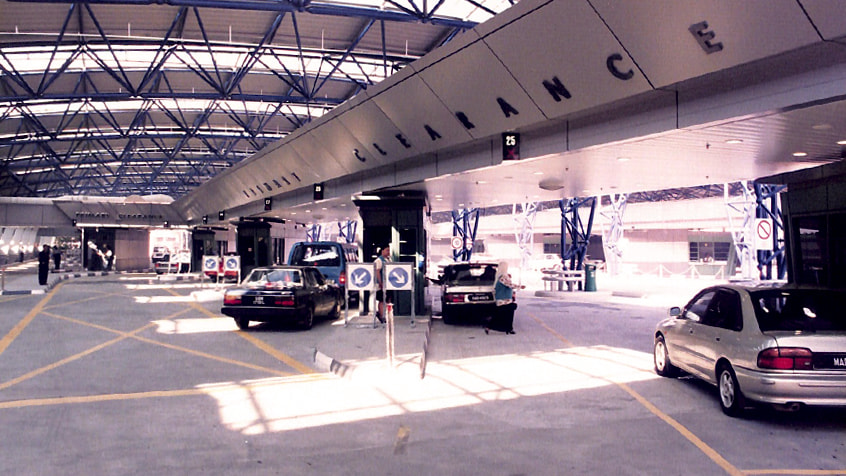
Clearance of containers at Tuas and Woodlands Checkpoints became paperless. An electronic filing facility for bulk transfer of baggage belonging to flight and cruise tour groups was launched.
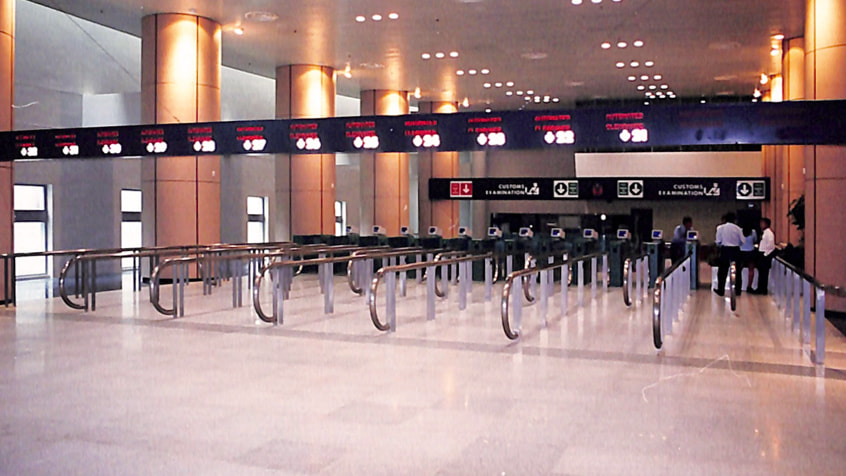
Clearance of containers at Tuas and Woodlands Checkpoints became paperless. An electronic filing facility for bulk transfer of baggage belonging to flight and cruise tour groups was launched.
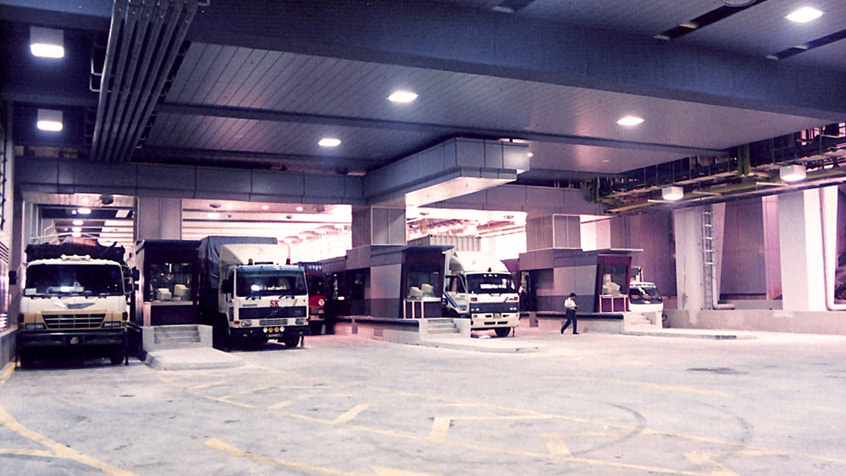
Clearance of containers at Tuas and Woodlands Checkpoints became paperless. An electronic filing facility for bulk transfer of baggage belonging to flight and cruise tour groups was launched.
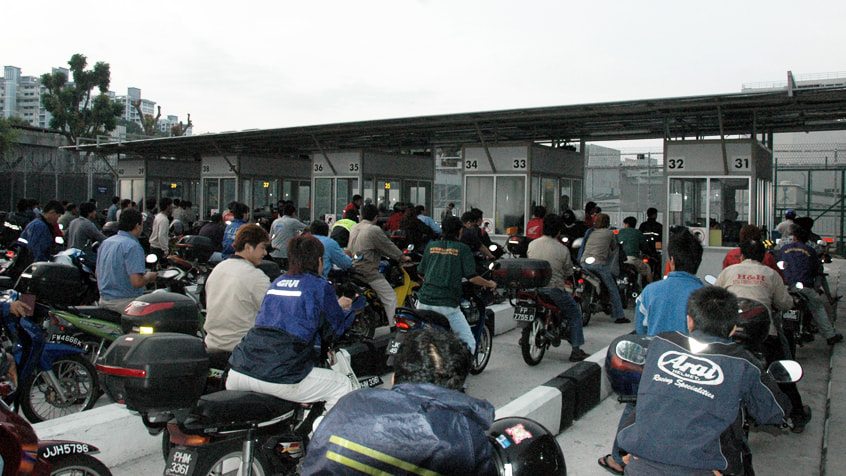
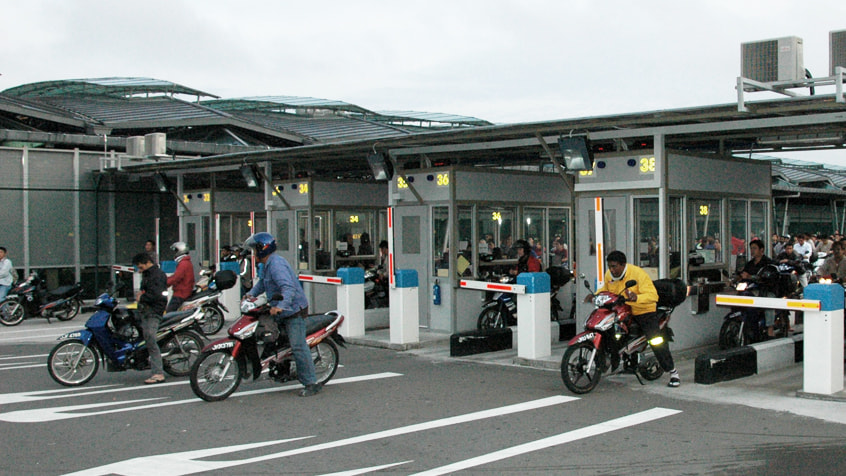
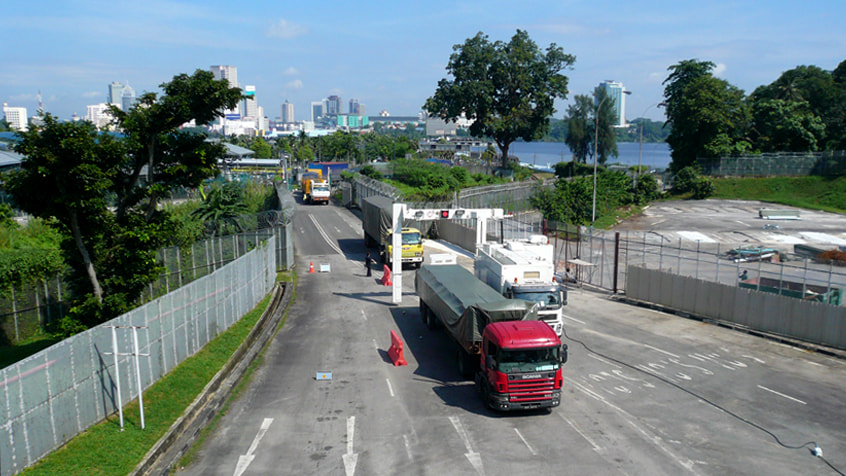
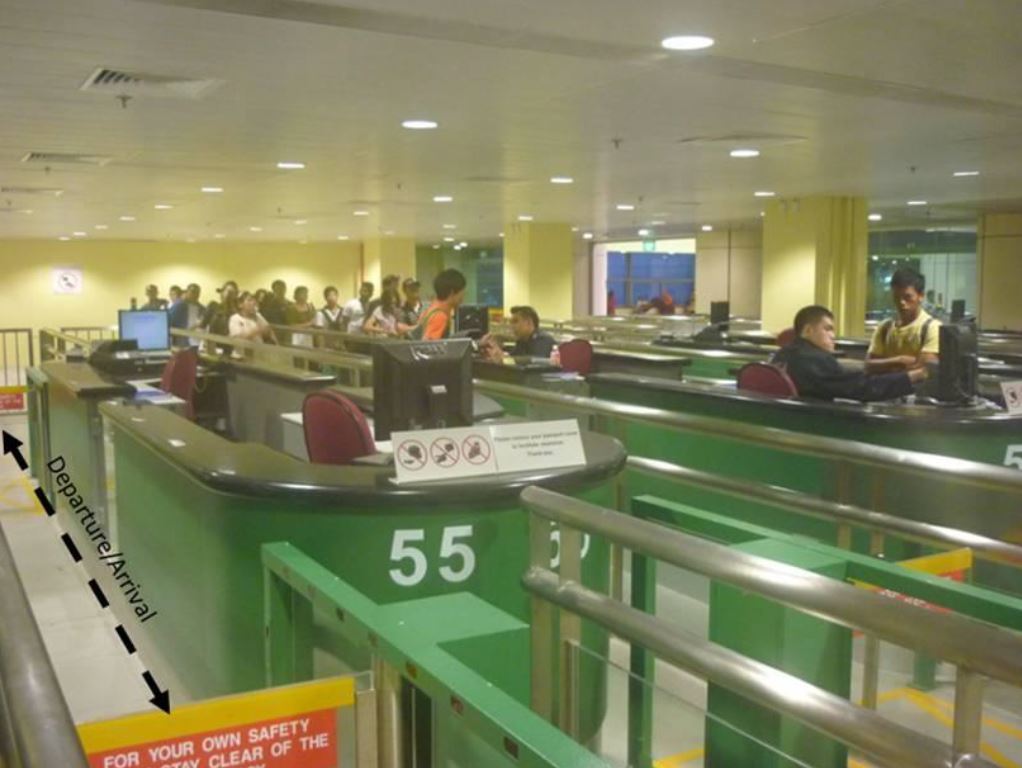
In the same year, the new car exit lane at Woodlands Checkpoint was operationalised on 19 September, facilitating the flow of cars out of the checkpoint during peak hours.
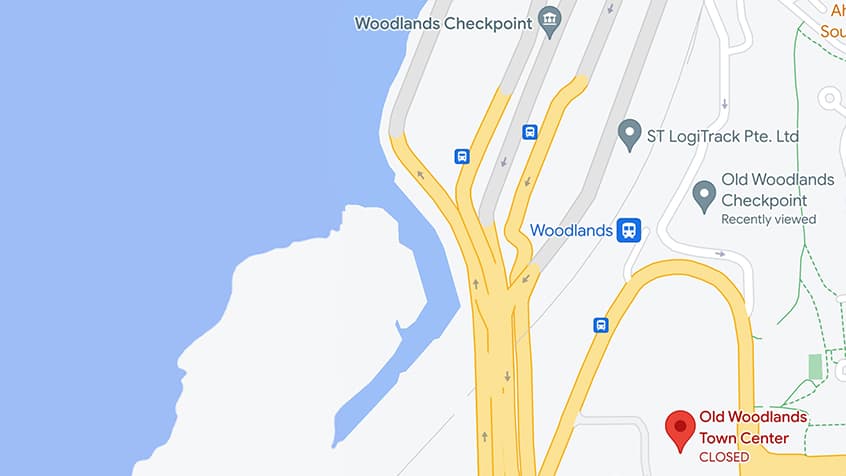
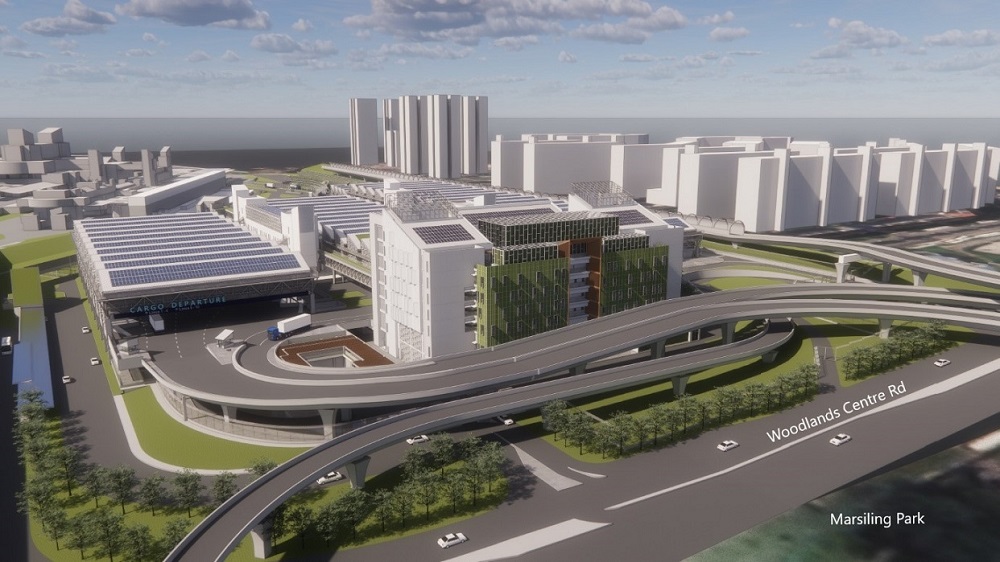
Artist’s impression of Old Woodlands Town Centre Extension
2024: Update on Woodlands Checkpoint redevelopment
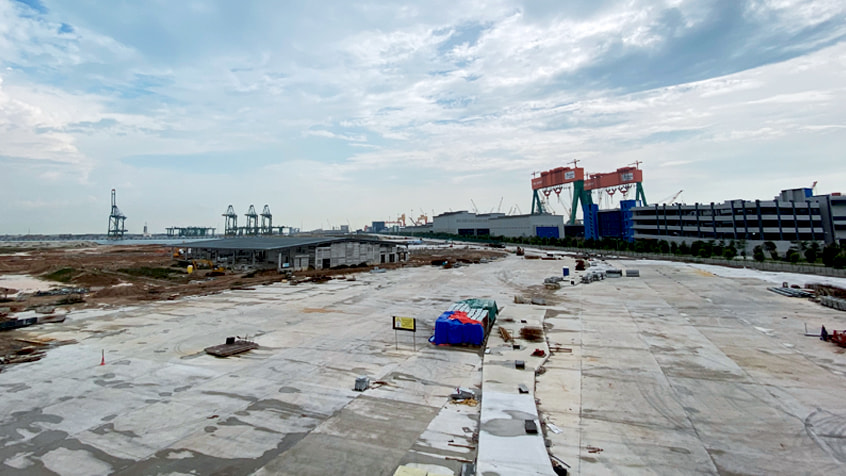
It was announced in January 2024 that Phase 1 of the Woodlands Checkpoint (WCP) redevelopment will commence in 2025. Under Phase 1, ICA will build an extension at the Old Woodlands Town Centre (OWTC), constructing 21 bi-directional cargo lanes and 78 arrival car lanes, increasing clearance capacity by 30% and 95% respectively. The BKE will be extended to create a direct route for vehicles exiting WCP to access the BKE, to reduce traffic congestion on the local roads. These extensions would be completed progressively from 2028.
Air Checkpoints
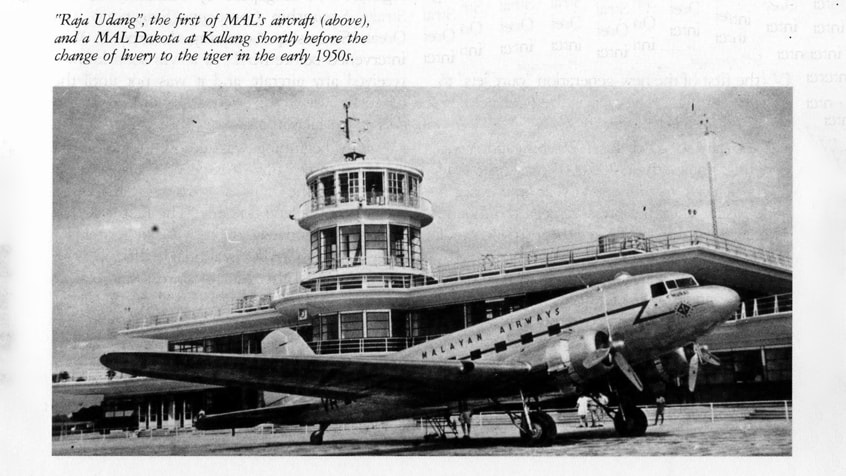
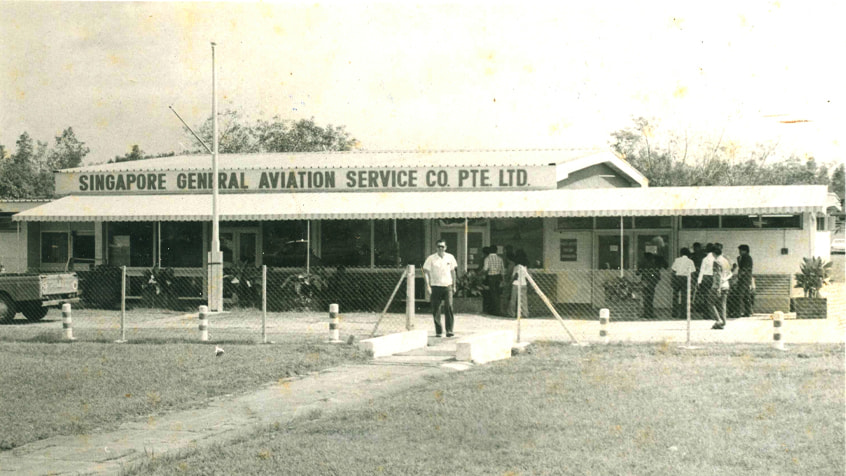
In 1935, Kallang Airport received its first unofficial aircraft two years before the official opening - a hawker Osprey from the aircraft carrier HMS Hermes. The aircraft had made an emergency landing at Kallang after being caught in a storm.
Being Singapore's first purpose-built commercial airport, it was officially opened in June 1937 to cater to the rising number of air travellers.
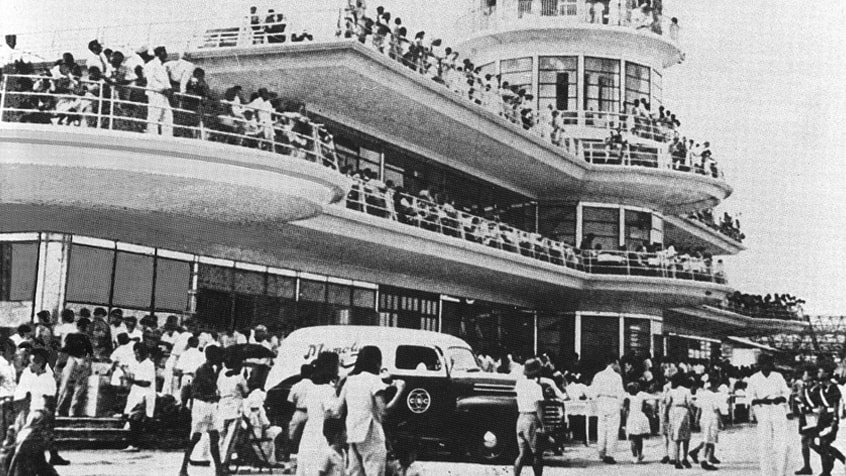
In 1935, Kallang Airport received its first unofficial aircraft two years before the official opening - a hawker Osprey from the aircraft carrier HMS Hermes. The aircraft had made an emergency landing at Kallang after being caught in a storm.
Being Singapore's first purpose-built commercial airport, it was officially opened in June 1937 to cater to the rising number of air travellers.
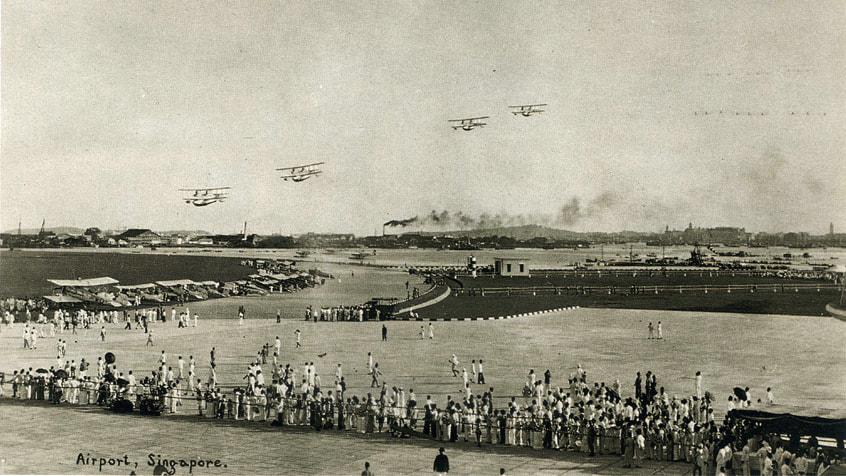
In 1935, Kallang Airport received its first unofficial aircraft two years before the official opening - a hawker Osprey from the aircraft carrier HMS Hermes. The aircraft had made an emergency landing at Kallang after being caught in a storm.
Being Singapore's first purpose-built commercial airport, it was officially opened in June 1937 to cater to the rising number of air travellers.
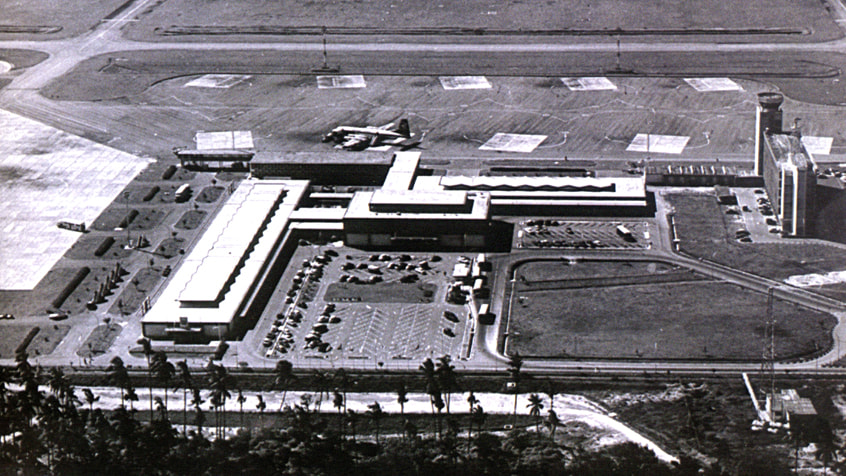
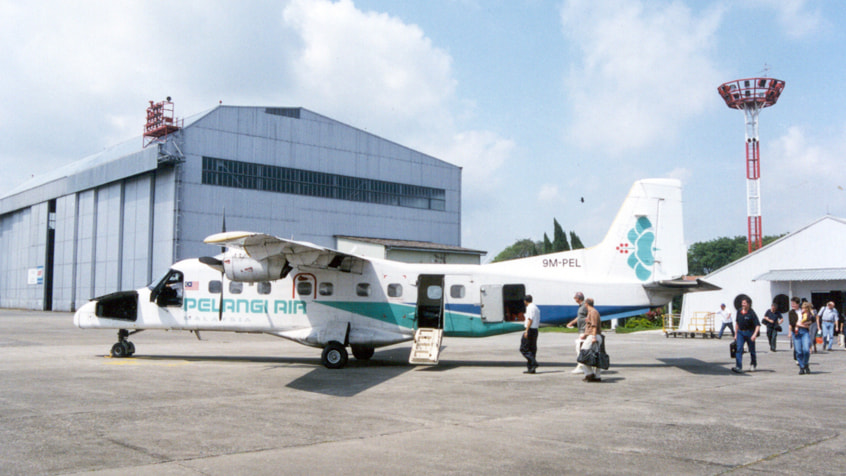
As the popularity of air travel increased, passenger arrivals soon outstripped the capacity of Kallang Airport. Paya Lebar Airport was officially opened to replace Kallang Airport to cope with the demand in 1955.
Paya Lebar Airport, with its single runway, served as Singapore's commercial international airport for 26 years until 1981, when it was converted to a military airbase under the Singapore Air Force.
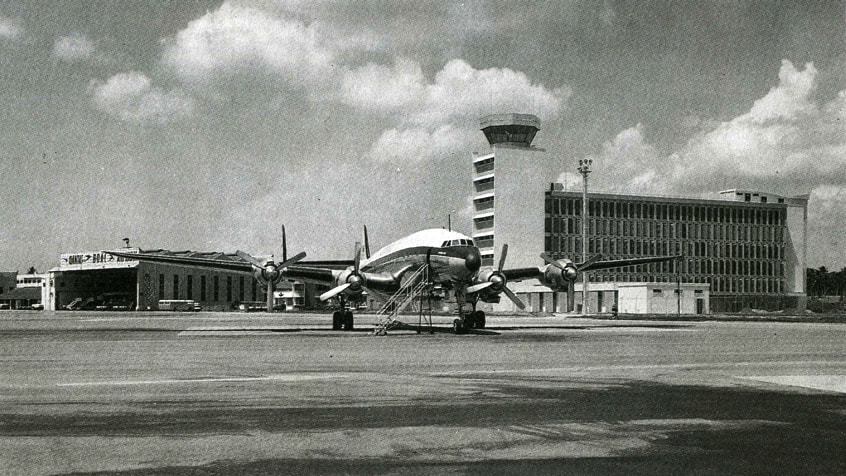
As the popularity of air travel increased, passenger arrivals soon outstripped the capacity of Kallang Airport. Paya Lebar Airport was officially opened to replace Kallang Airport to cope with the demand in 1955.
Paya Lebar Airport, with its single runway, served as Singapore's commercial international airport for 26 years until 1981, when it was converted to a military airbase under the Singapore Air Force.
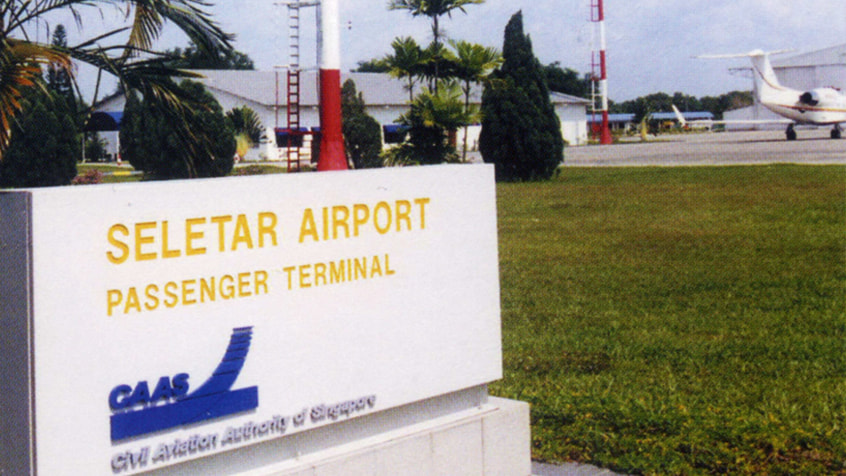
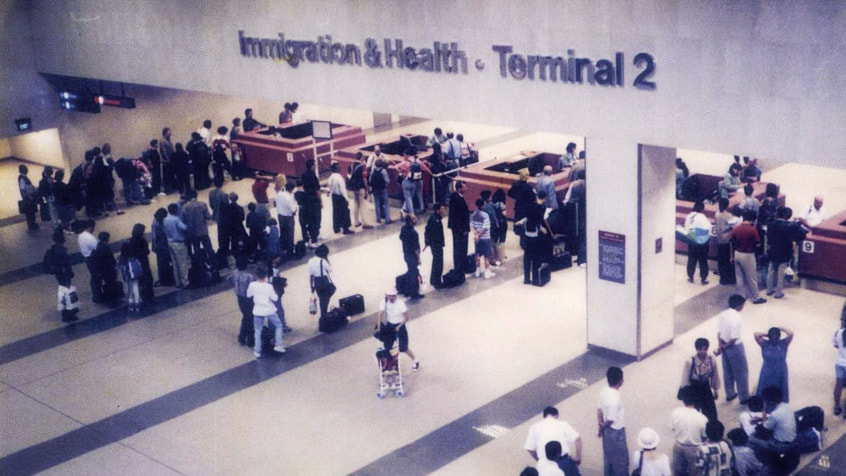
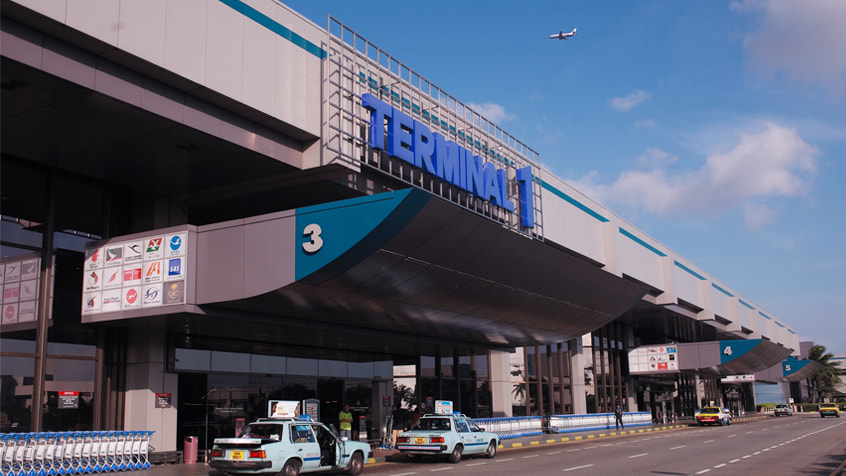
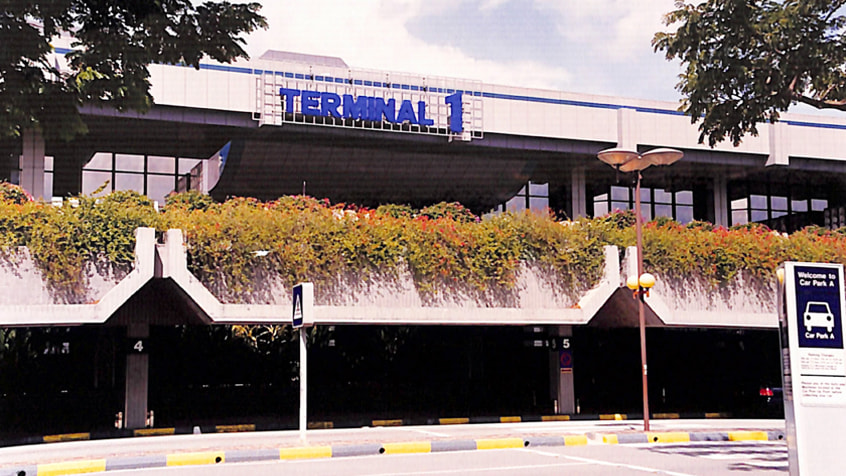
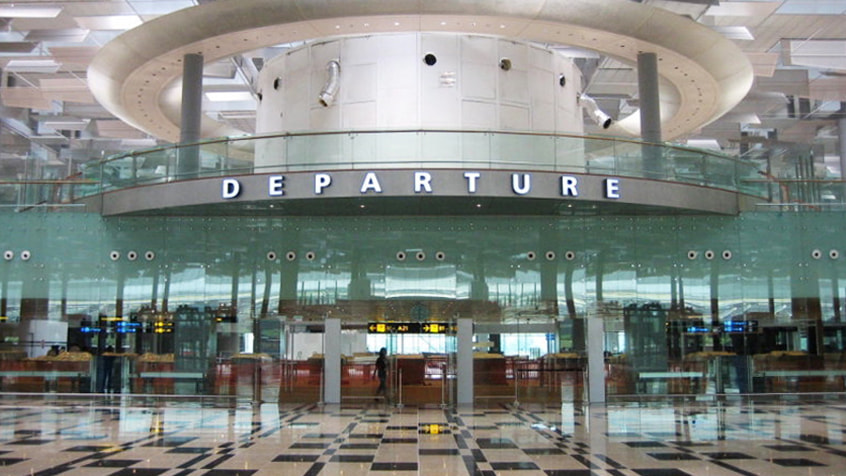
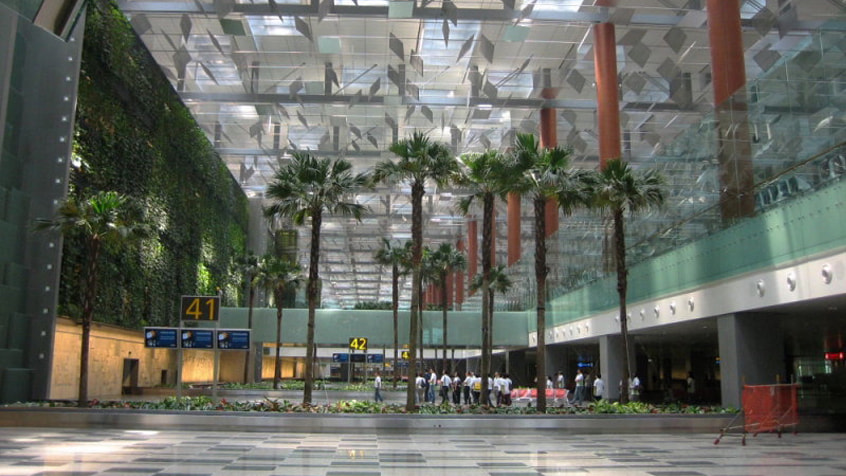
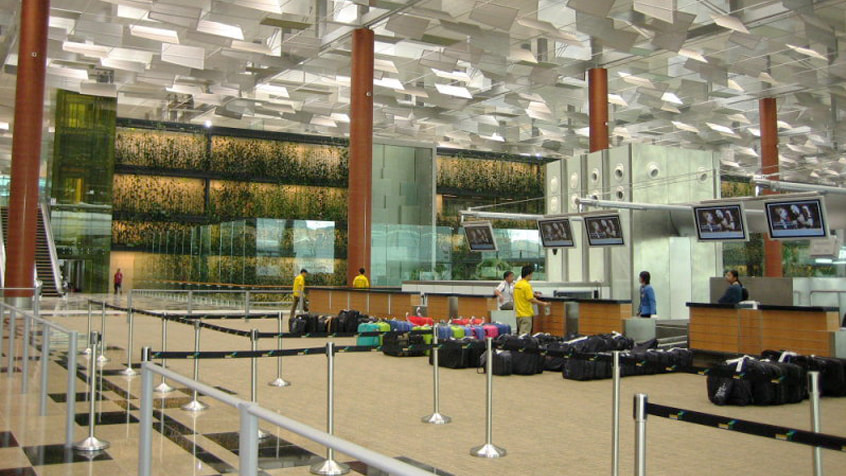
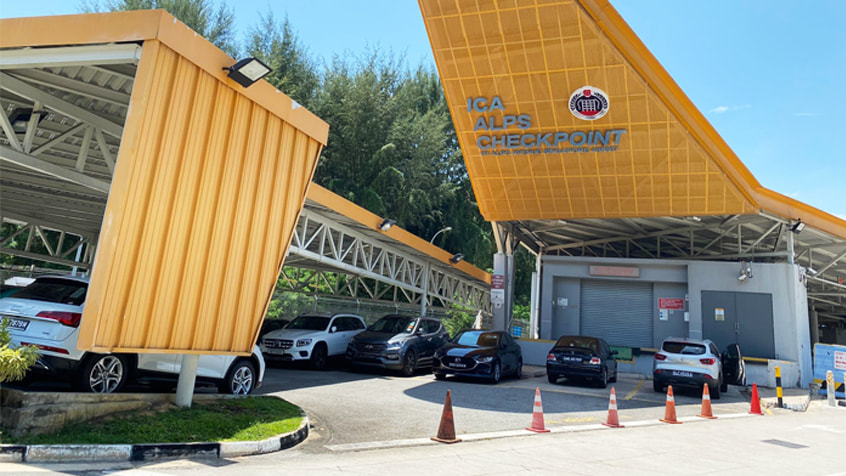
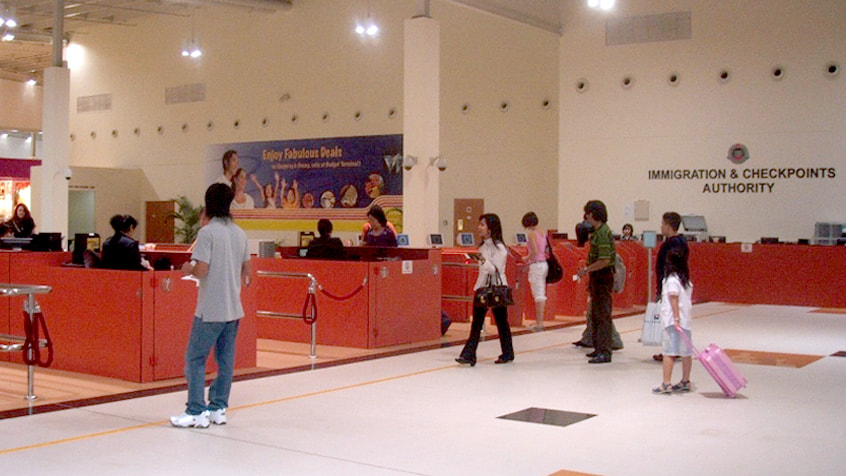
Arrival hall of Budget Terminal on 2006
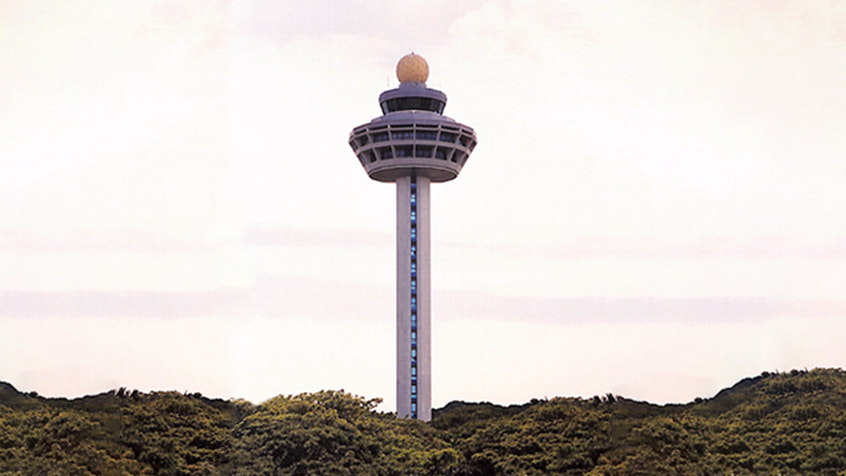
Budget Terminal commenced operations in 2006 in response to the increasing trend of low-cost travel in the region. However, it was closed in 2012 to construct Terminal 4, which opened in 2017.
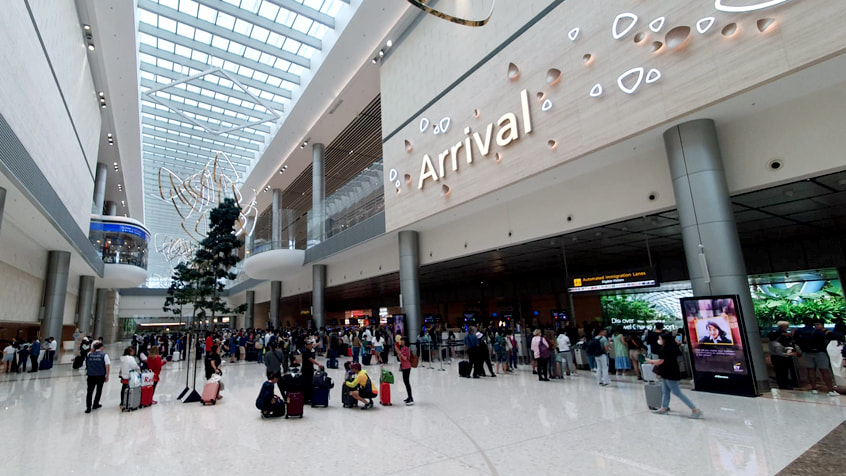
Arrival Hall of Terminal 4 in 2017
Budget Terminal commenced operations in 2006 in response to the increasing trend of low-cost travel in the region. However, it was closed in 2012 to construct Terminal 4, which opened in 2017.
Arrival Hall of Terminal 4 in 2017
Budget Terminal commenced operations in 2006 in response to the increasing trend of low-cost travel in the region. However, it was closed in 2012 to construct Terminal 4, which opened in 2017.
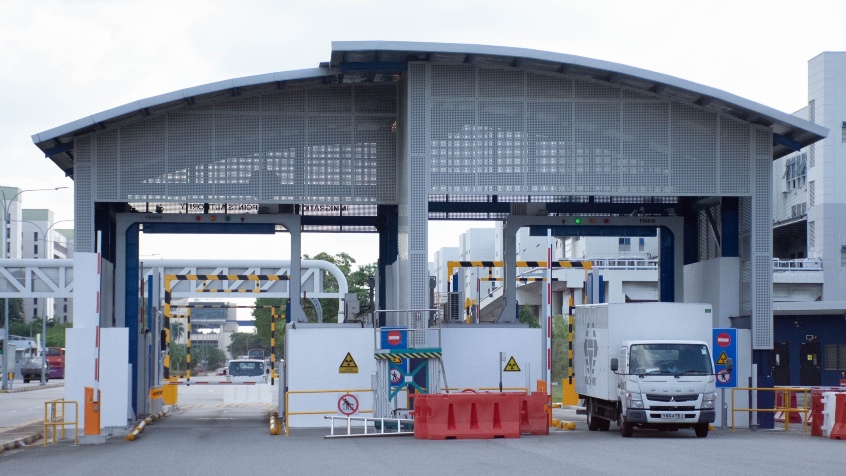
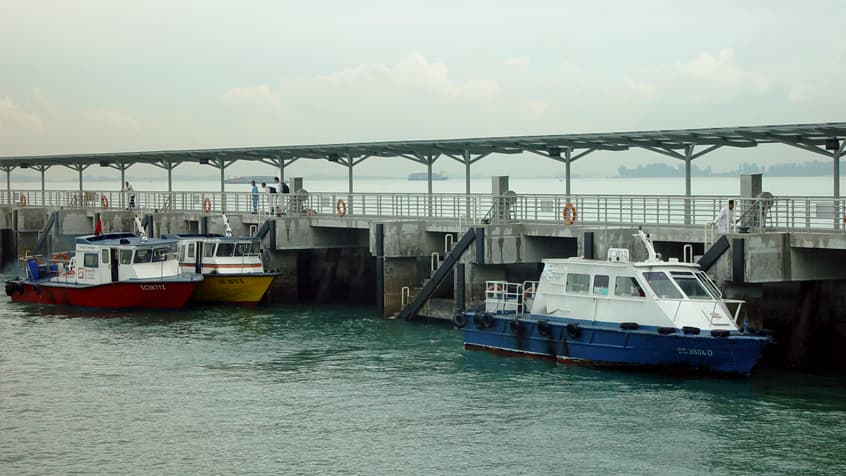
Sea Checkpoints
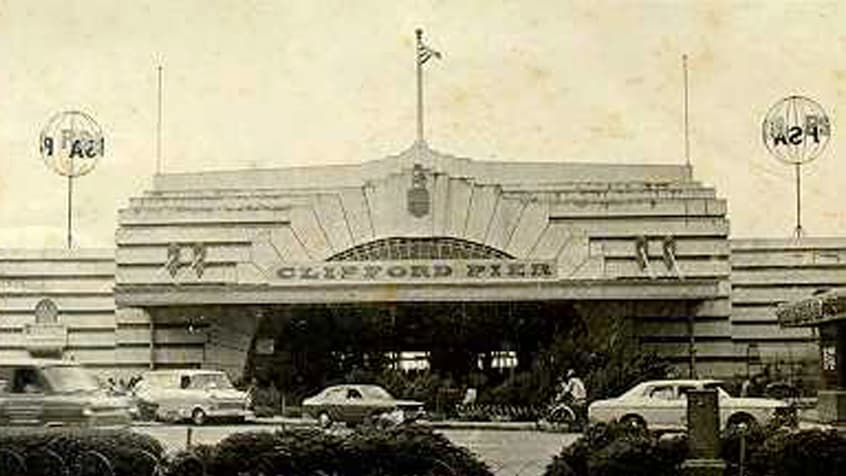
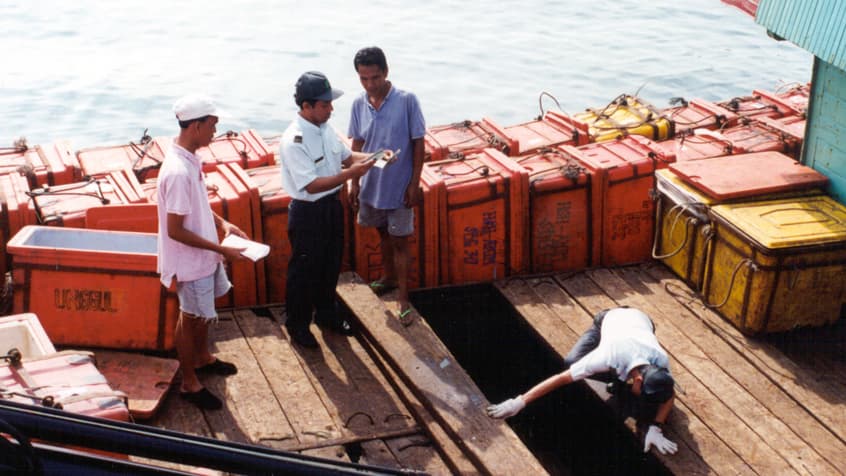
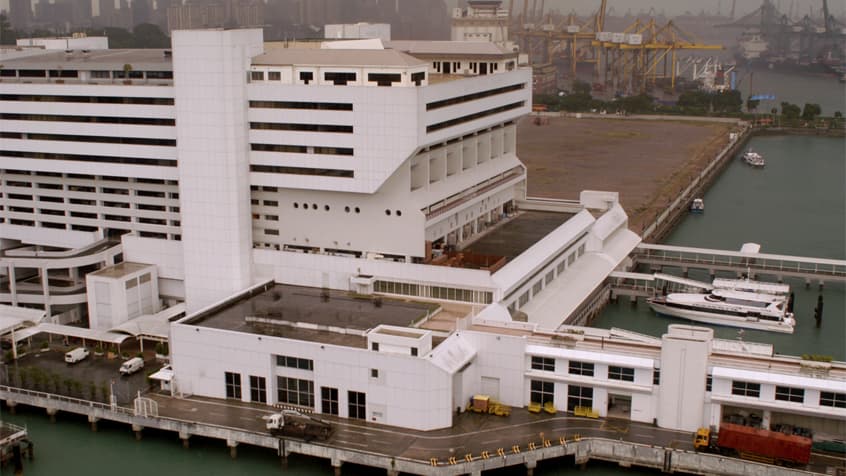
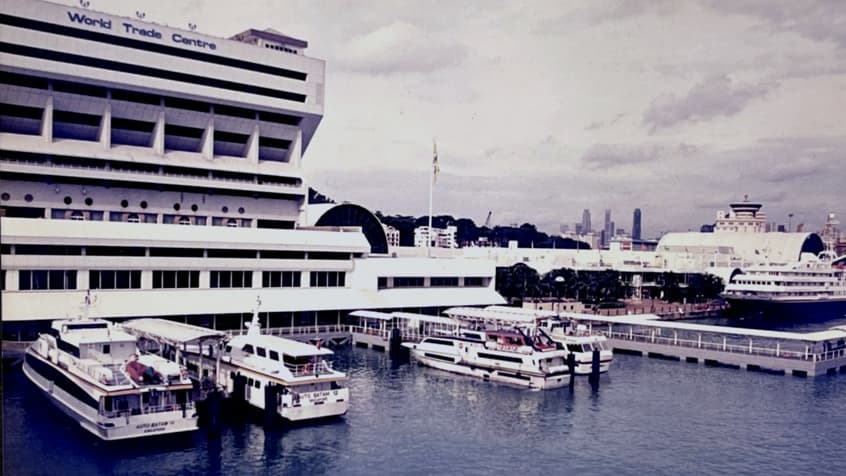
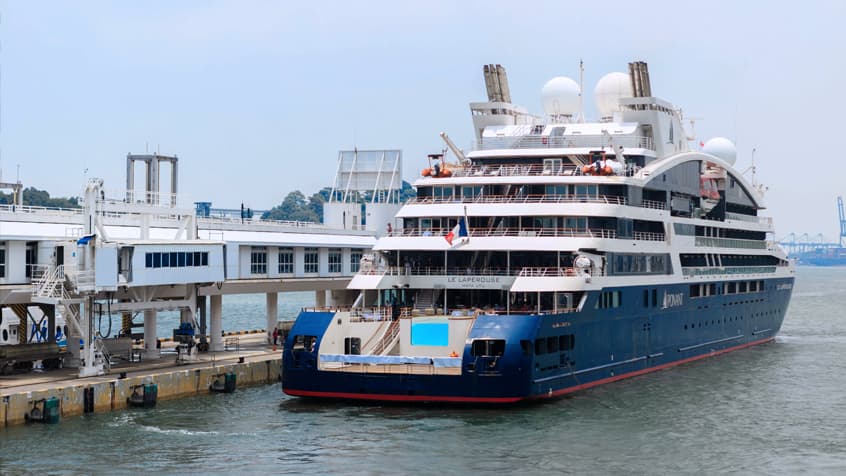
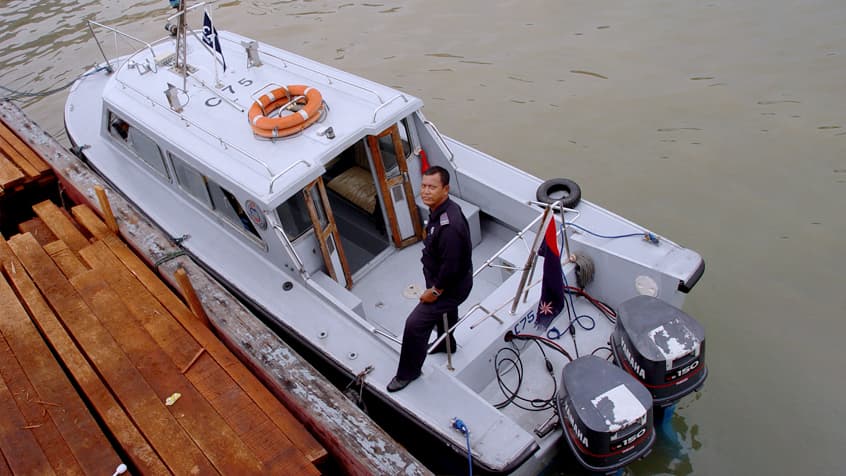
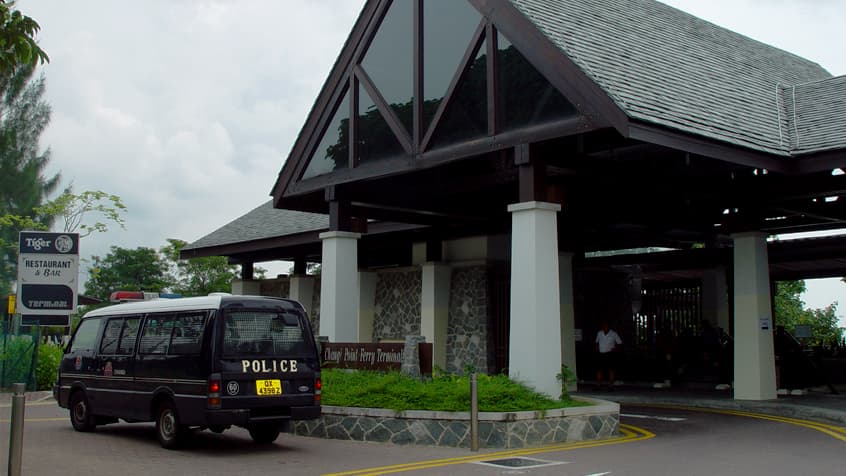
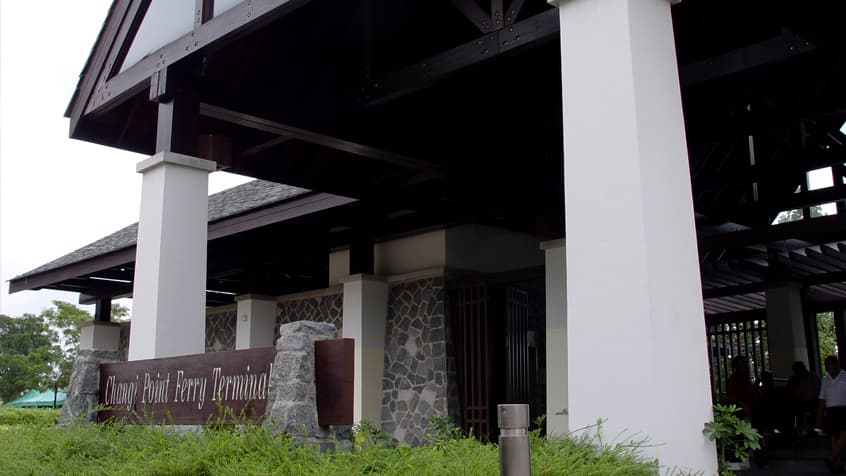
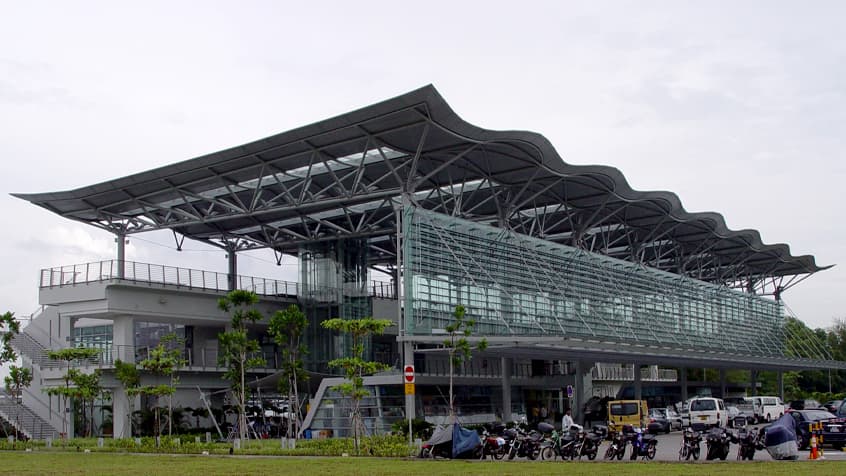
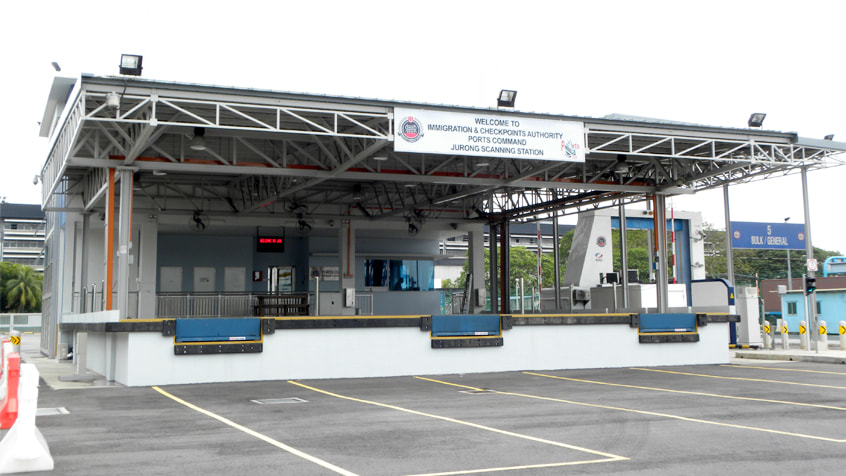
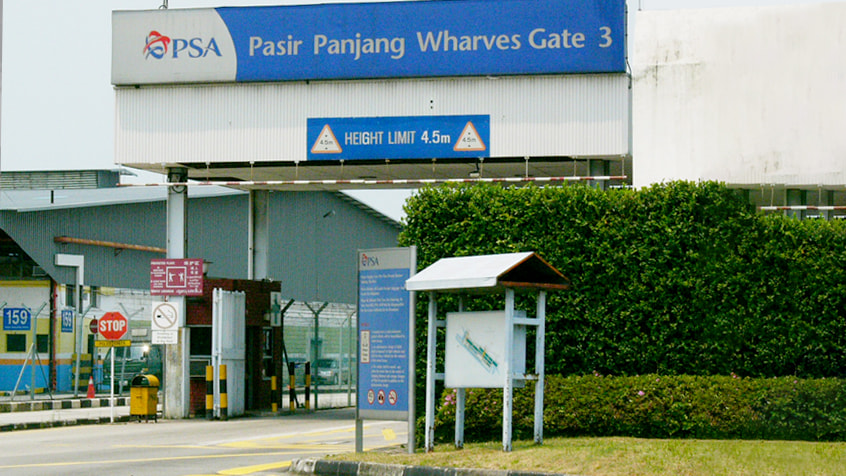
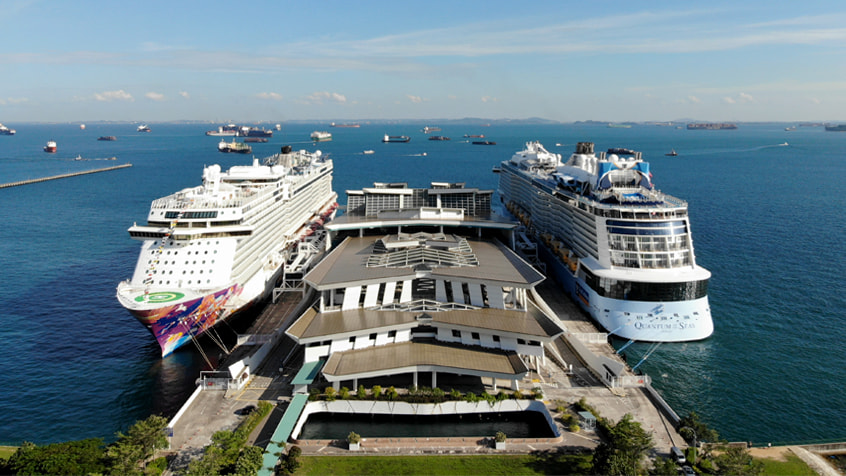
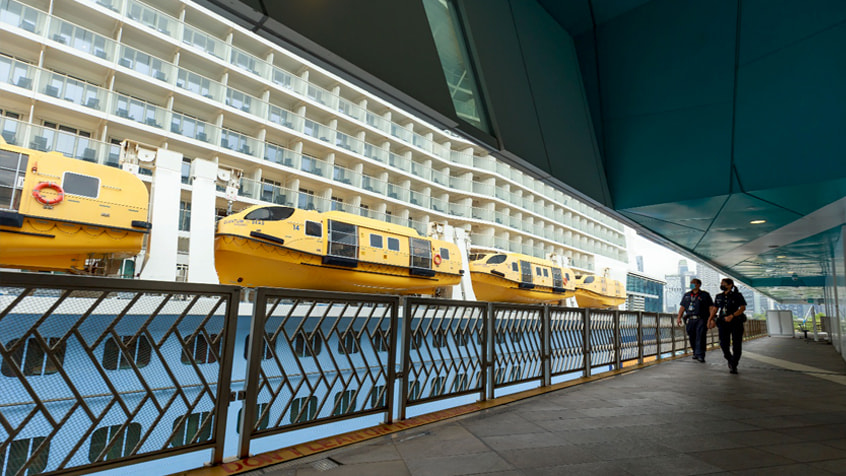
In 1980s, the pier was renovated to provide more space for embarking and disembarking sea travellers.
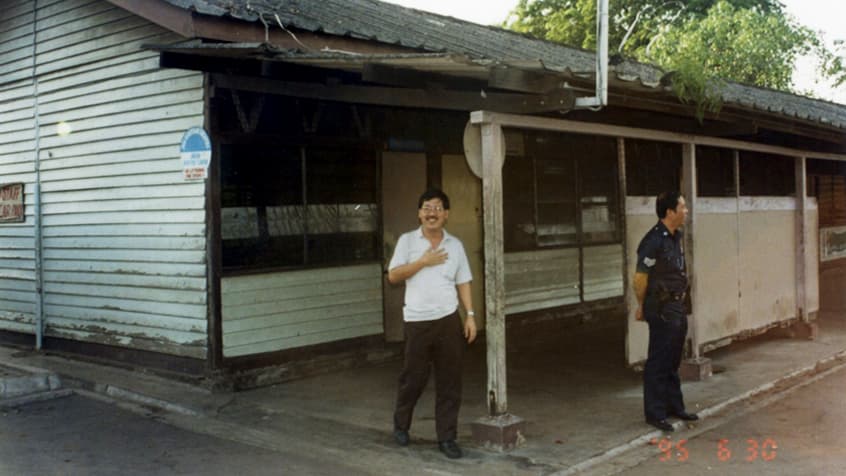
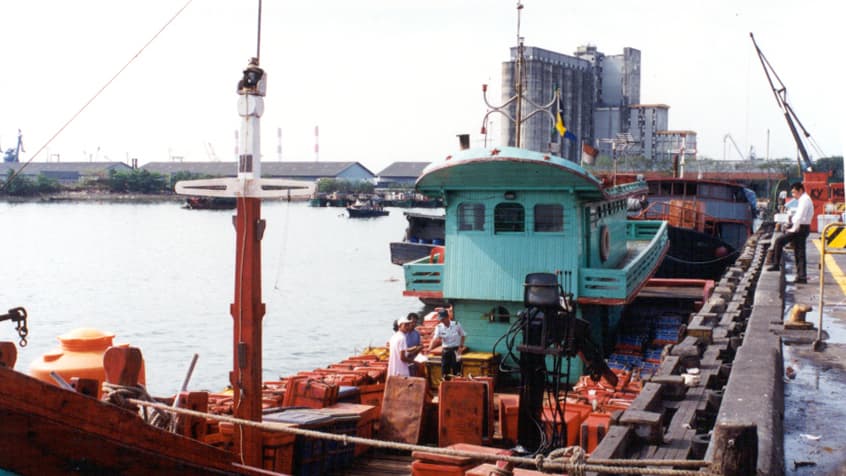
.jpg?sfvrsn=665b8e60_0)
Evolution of Technology and Systems tesT2
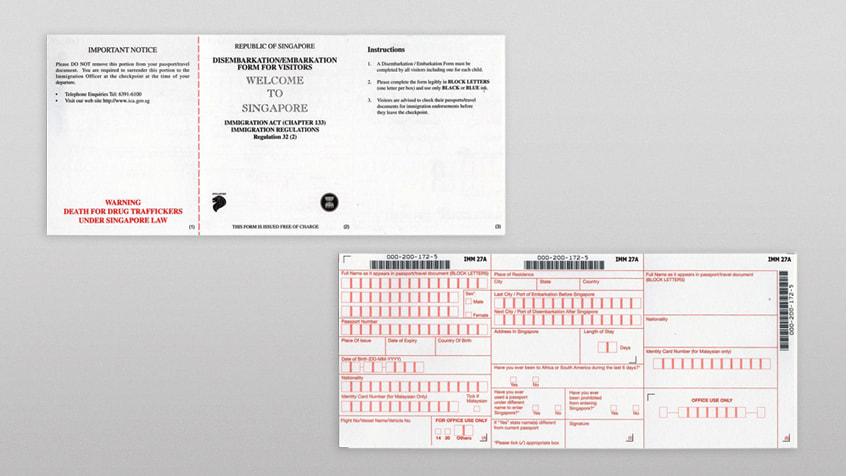
In the late 70s, Exit Control Scheme was implemented and Singapore introduced the disembarkation/embarkation (D/E) forms (commonly known as "white cards") for foreign visitors to submit their arrival information for immigration clearance. It was also to prevent visitors from overstaying illegally in Singapore. D/E forms were to be completed by all foreign visitors and produced together with his/her passport to the immigration officer on arrival at the entry point.
Today, travellers no longer rely on pen and paper to fill up the "white card". Instead they can conveniently submit their arrival information, including one's health declaration within three days before they enter Singapore, via the Singapore Arrival Card (SGAC) e-Service on ICA's website or MyICA mobile.
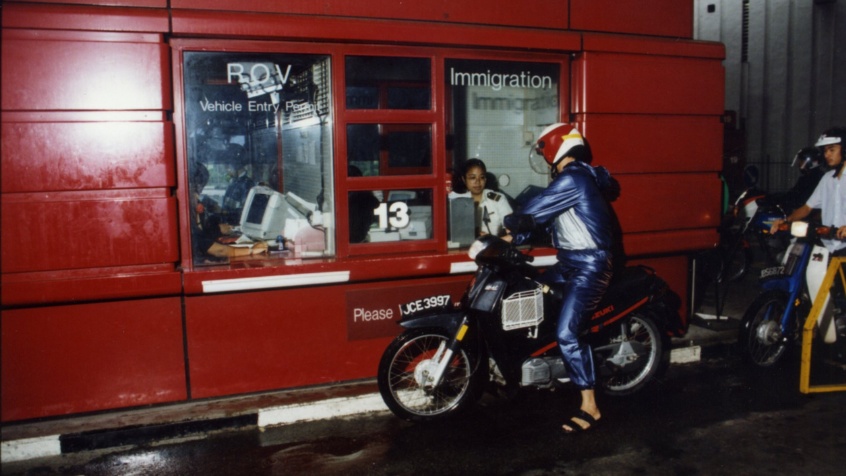
Computers were used to screen travellers at the checkpoints for the first time in June so that tasks could be carried out more effectively.
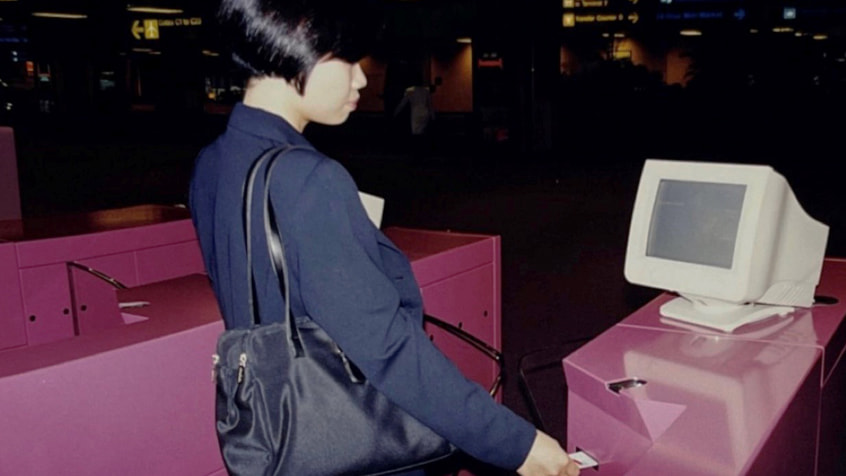
Singapore's automated immigration clearance lanes, known as the Immigration Automated Clearance System (IACS) then, were implemented in 1997. Only registered frequent travellers with an access card that contained one's fingerprint data, could use these lanes.
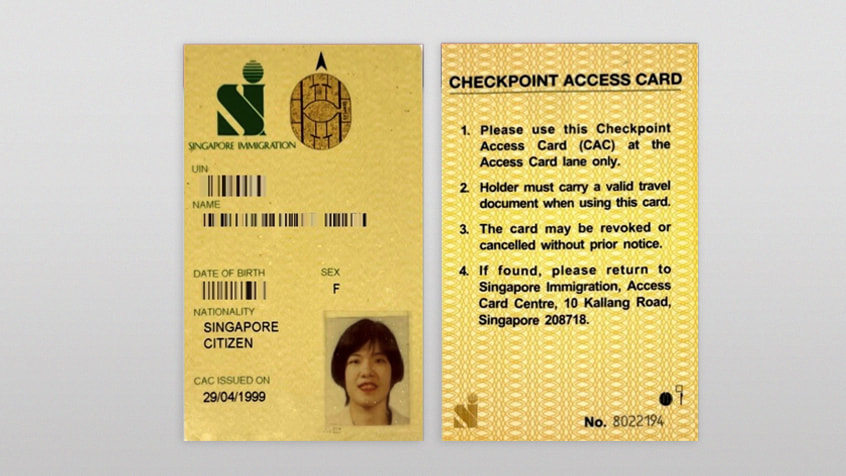
An access card
Singapore's automated immigration clearance lanes, known as the Immigration Automated Clearance System (IACS) then, were implemented in 1997. Only registered frequent travellers with an access card that contained one's fingerprint data, could use these lanes.
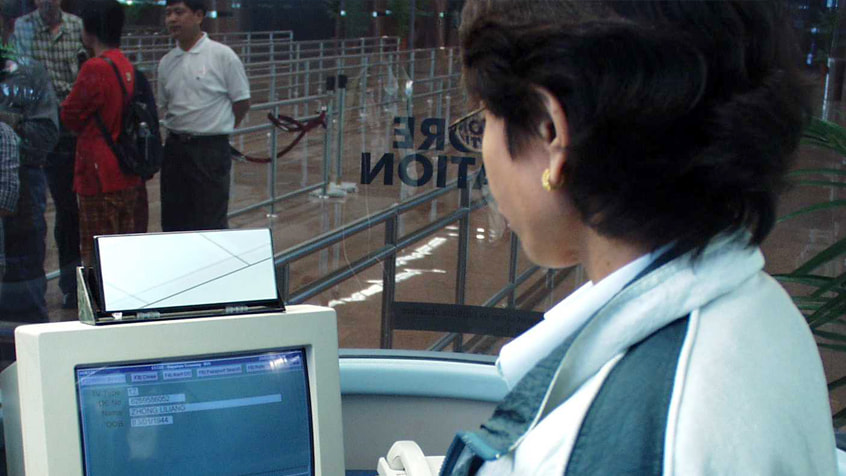
The Entry Exit Control Upgraded System (EECUS), a primary clearance system to screen and capture movement records of travellers, was introduced at Tuas Checkpoint in 1998 and later in Woodlands Train Checkpoint.
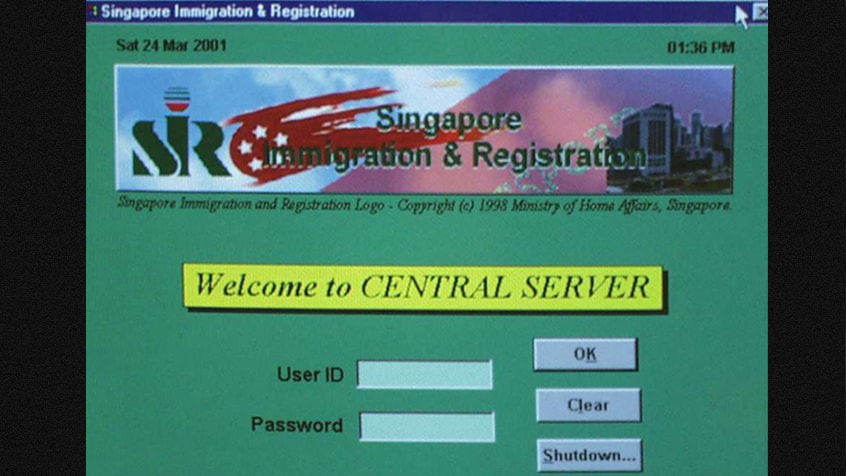
EECUS
The Entry Exit Control Upgraded System (EECUS), a primary clearance system to screen and capture movement records of travellers, was introduced at Tuas Checkpoint in 1998 and later in Woodlands Train Checkpoint.
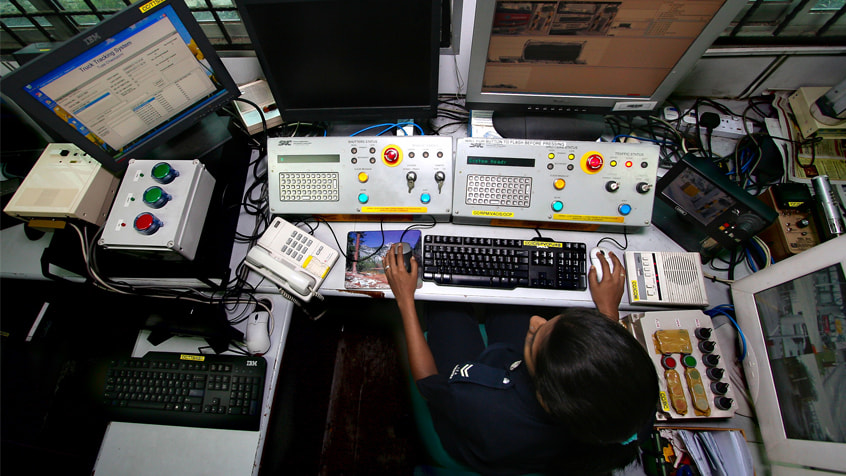
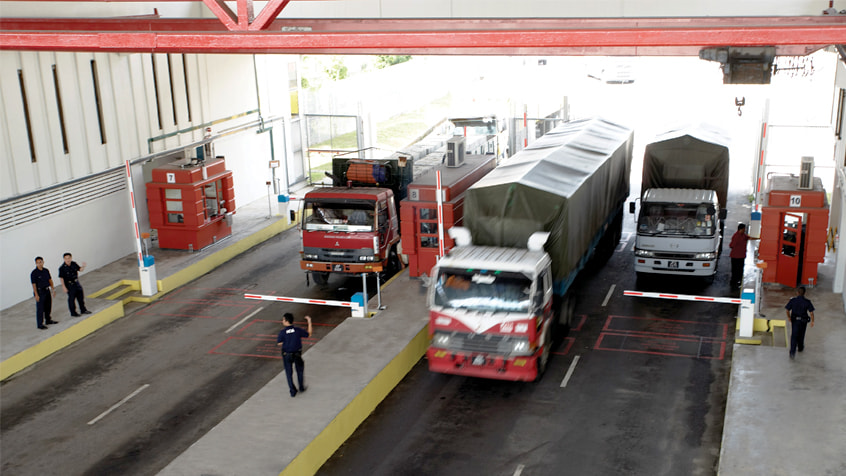
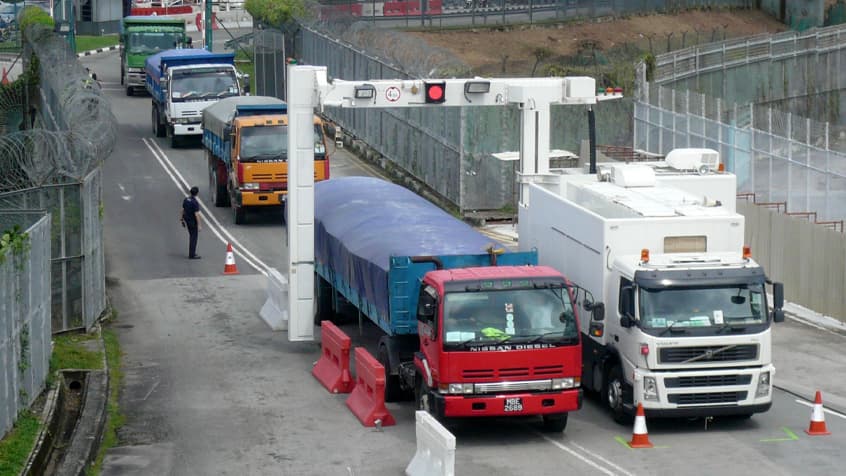
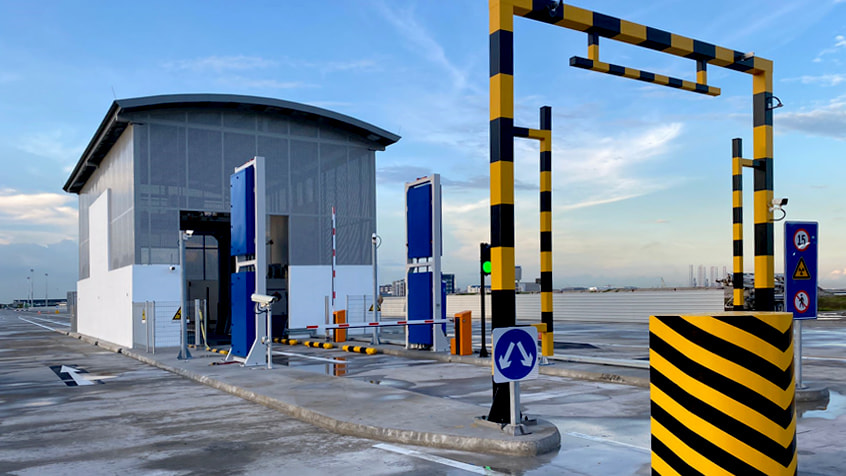
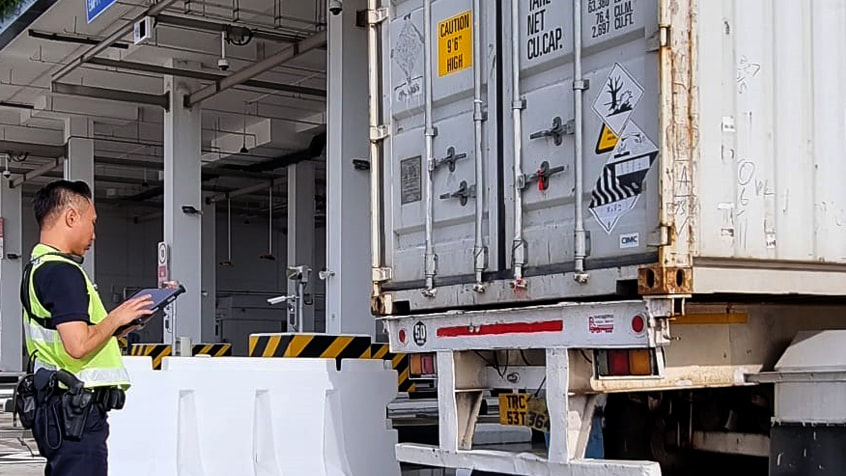
The Integrated Container Inspection System (ICIS) had been used to scan cargoes passing through Woodlands Checkpoint since 2004 and Tuas Checkpoint since 2005. It was expanded to scanning stations of Ports Command and the Changi Airfreight Centre of Air Cargo Command by 2008. It consisted of two portals equipped with scanners - the Vehicle and Cargo Inspection system would scan cargo vehicles or containers for suspicious items, and the radiation portal would scan for radioactive materials. These scanners allowed the containers and other cargo vehicles to be screened efficiently and effectively.
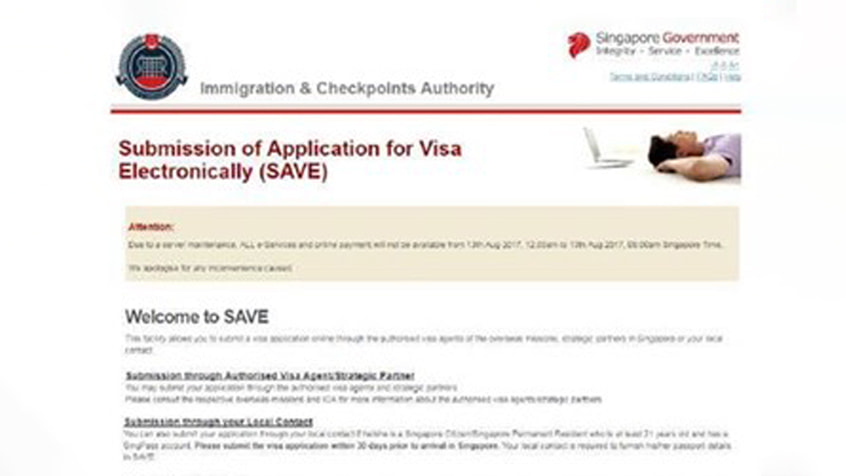
Submission of Application for Visa Electronically (SAVE) was launched in October, allowing applicants to submit a visa application online through authorised visa agents of the overseas missions, strategic partners in Singapore or local contacts. This improved quality of service and streamlined work processes.
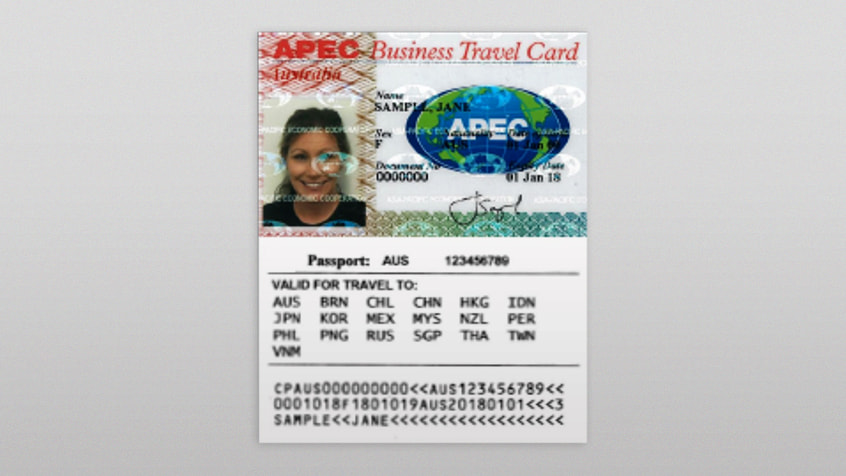
Singapore implemented the Asia-Pacific Economic Cooperation (APEC) Business Travel Card (ABTC) Scheme on 1 October, for which ICA was the issuing authority. The ABTC facilitated business travel between APEC countries and business travellers who held the ABTC. Travellers could enjoy streamlined clearance at major airports and entry points of participating economies. Designated lanes were set up at all checkpoints to provide quick and efficient immigration clearance for foreign cardholders who had been pre-cleared by Singapore.
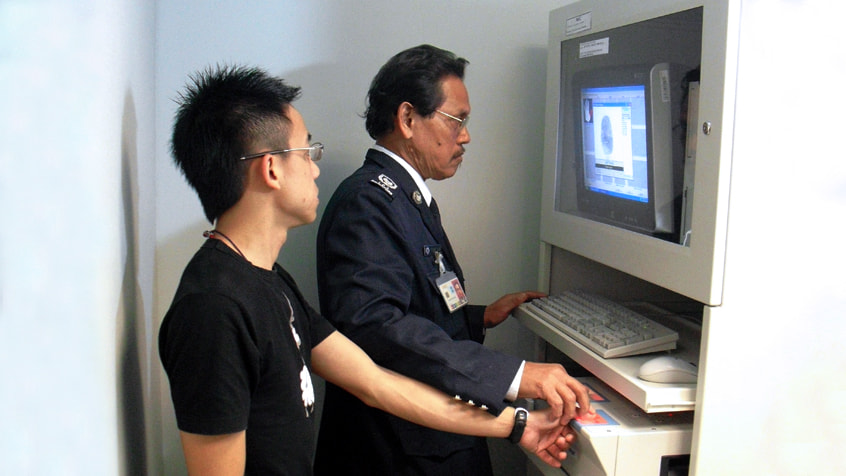
Biometric Database for Immigration Clearance (BDIC) was implemented at the checkpoints on 1 June. It aims to detect ex-immigration offenders who attempt to re-enter Singapore with different identities.
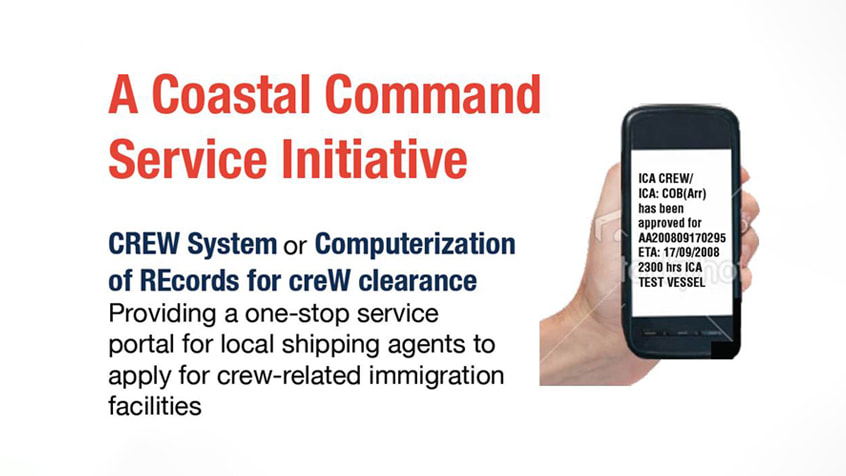
With the introduction of the Computerisation of Records for Crew Clearance (CREW) system, shipping agents entering Singapore were able to submit online applications for crew clearance and related matters. This sped up crew clearance for all parties and facilitated the retrieval of crew and transit passenger records.
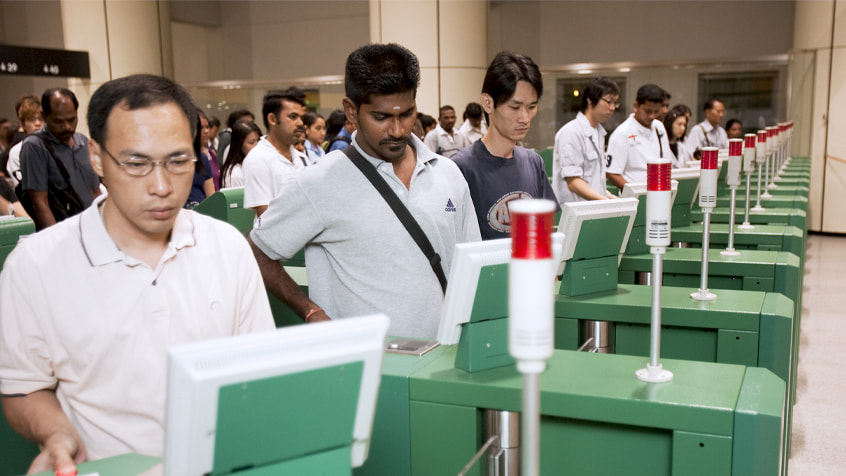
The enhanced Immigration Automated Clearance System (eIACS) enabled Singapore citizens who had registered their fingerprints and held valid Singapore passports, to use the automated lanes to clear immigration. This was extended to permanent residents in 2008 and Long-Term Pass holders in 2011.
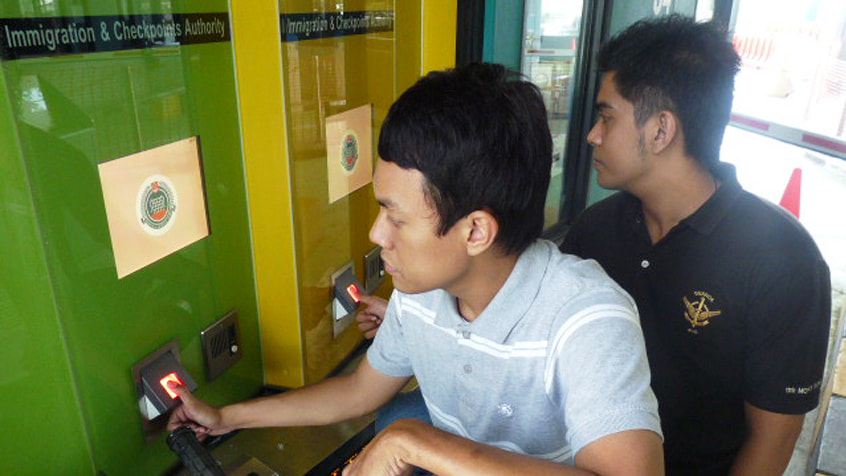
Biometrics Identification of MotorBikers System (BIKES) used biometrics and human detection technologies to authenticate single traveller on motorcycles. It was first launched at the Tuas Checkpoint in October 2006 and Woodlands Checkpoint in February 2007. It was subsequently enhanced to clear motorcyclists with pillion riders in 2010.
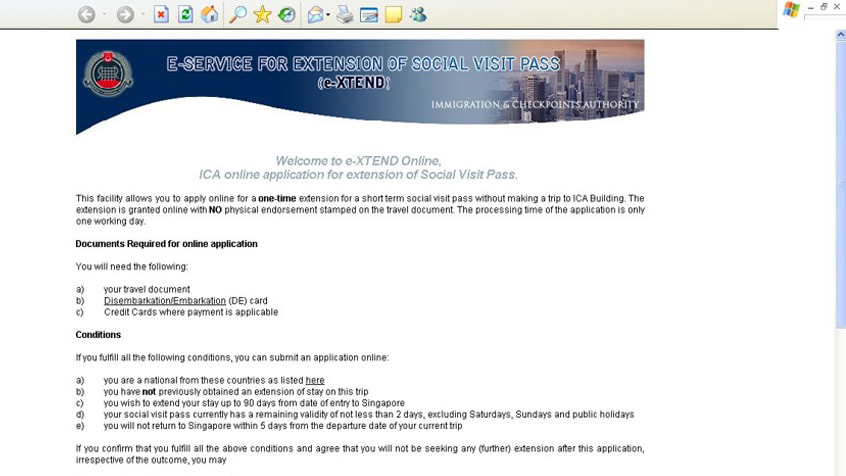
Electronic Extension of Short-Term Visit Pass (e-XTEND) enabled foreign visitors to apply for an extension of their short-term visit pass online.
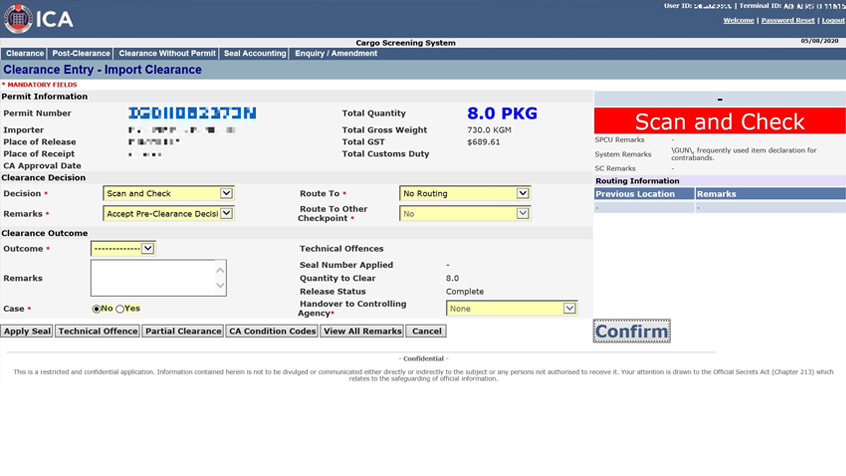
On 29 October, the ICA Cargo Screening System (CASS) was rolled out. It allowed ICA to gather information and conduct analysis on selected consignments through cargo pre-clearance and scanning updating capabilities.
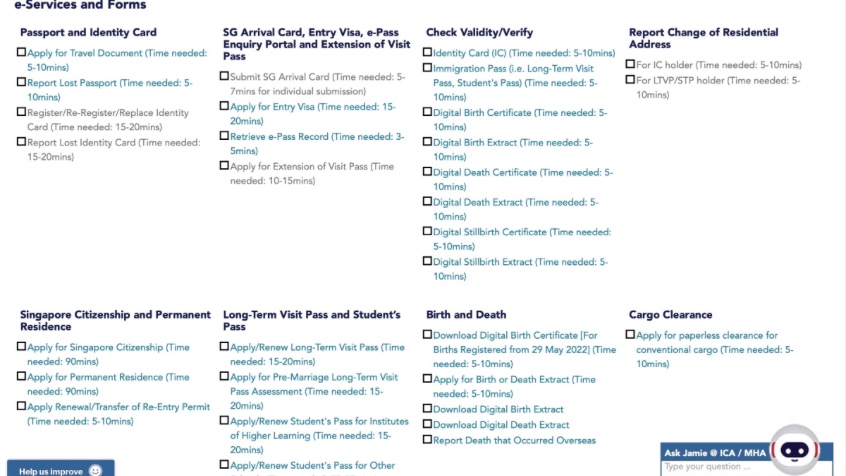
e-Visa
e-Visa was an innovative approach which challenged the conventional wisdom that a visa must be issued in physical form. Soft launched in August, the system allowed foreigners who required a visa to apply and 'collect' their visa online without the need for visa stickers for arrival immigration clearance.
e-Visit Pass
e-VP was a facility which allowed online submissions of applications for Long-Term Visit Passes. Launched in June, the system accepted new applications from holders of employment pass eligibility certificate and renewal applications for children, parents and spouses of Singapore citizens or permanent residents; parents and grandparents of Student's Pass holders.
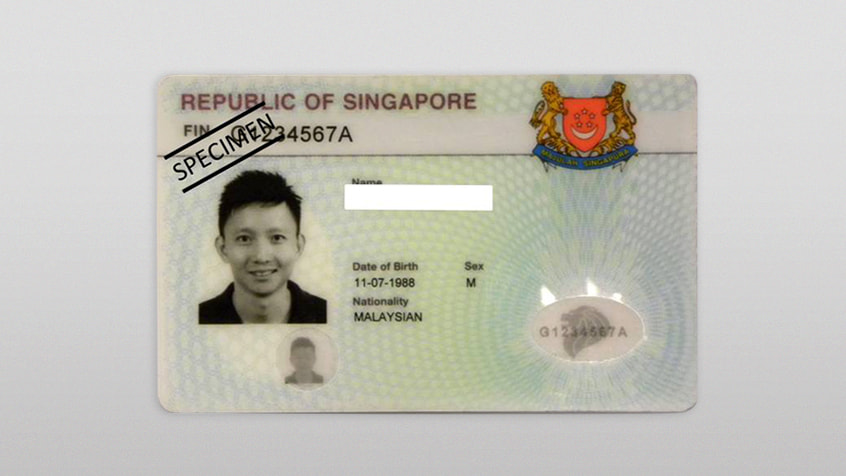
The Long-Term Pass (LTP) Card was launched on 23 September to all foreigners on Long-Term Visit Pass (LTVP). The polycarbonate LTP card replaced the stamped endorsement on the travel documents of the LTVP holders and the paper-laminate disembarkation/embarkation (D/E) card issued to them.
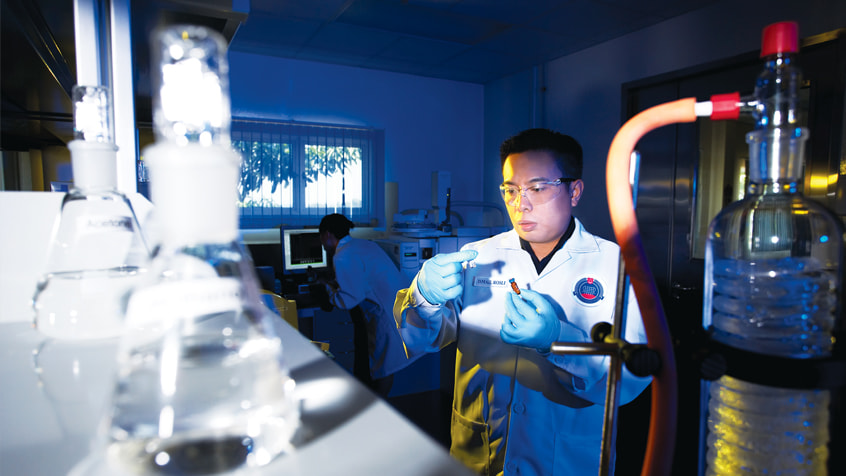
As the first operational laboratory in the world to be based at a country’s border, the Protective and Analytical Facility (PAF) began operations at Tuas Checkpoint on 1 December. This was followed by the Bio Analytical Laboratory and the Chemical Analytical Laboratory at Woodlands Checkpoint in November 2009 and December 2012 respectively. Besides the land checkpoints, the Protective, Analytical and Assessment Facility at Pasir Panjang Scanning Station of Port Command was operationalised in 2016. These border laboratories provide a critical layer of defence against undesirable threats and protect the environmental health and safety of both Singapore and its residents.
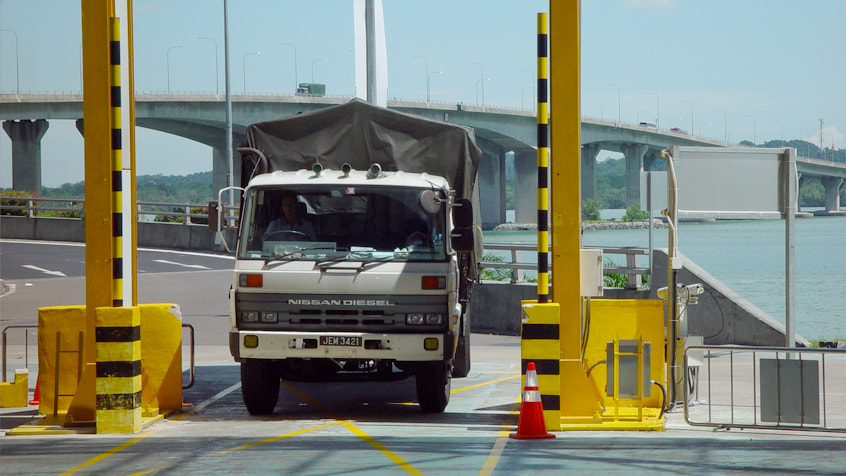
The Radiographic Scanner Portal (RSP) System deployed to scan inward air shipments at the Changi Airfreight Centre (CAC) of Air Cargo Command, commenced on 10 February. The deployment of the RSP system enabled all cargo vehicles using the CAC checkpoint to go through x-ray screening, thereby enhancing security.
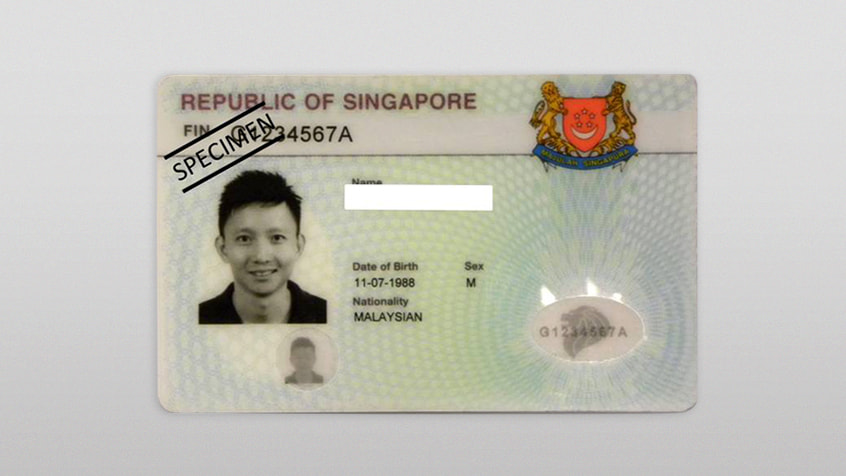
In April, ICA began issuing an immigration pass called LTVP-Plus (LTVP+) to eligible foreign spouses of Singapore citizens. LTVP+ holders could enjoy a longer period of residency, healthcare subsidies and ease of obtaining employment.
.jpg?sfvrsn=613319b5_0)
Mobile Automated Verification and Identification System (MAVIS) is a mobile device which allows officers to perform fingerprint and facial screening anytime, anywhere on travellers to ascertain their identity, validity of work passes, long-term visit passes, special passes and identity cards holders.
.jpg?sfvrsn=b0ca663b_0)
Flexible Immigration Clearance System (Flexi-i), a hybrid lane that could be transformed from an automated lane into a manned counter and vice versa, was first implemented at Marina Bay Cruise Centre Singapore (MBCCS) in May. It allowed ICA to optimise its resources by adjusting the ratio of automated lanes and manned lanes to meet operational needs.
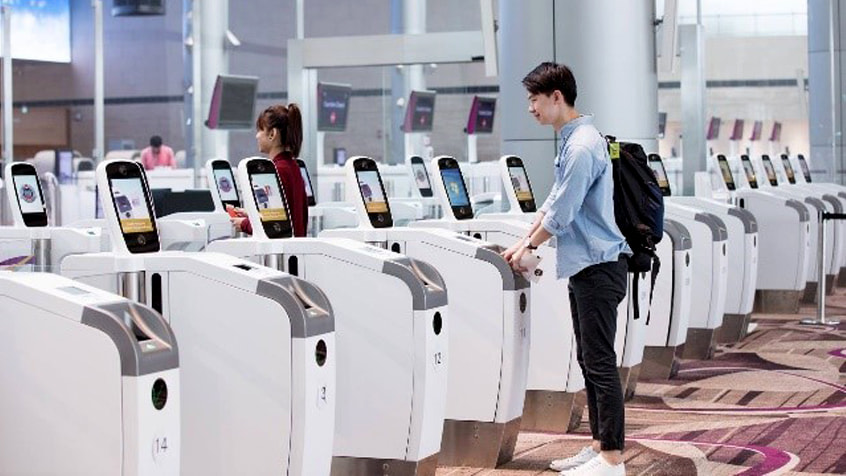
As part of Changi Airport’s Fast & Seamless Travel (FAST) initiative, ICA’s automated lanes at Terminal 4 were enhanced to incorporate departure access controls and immigration clearance.
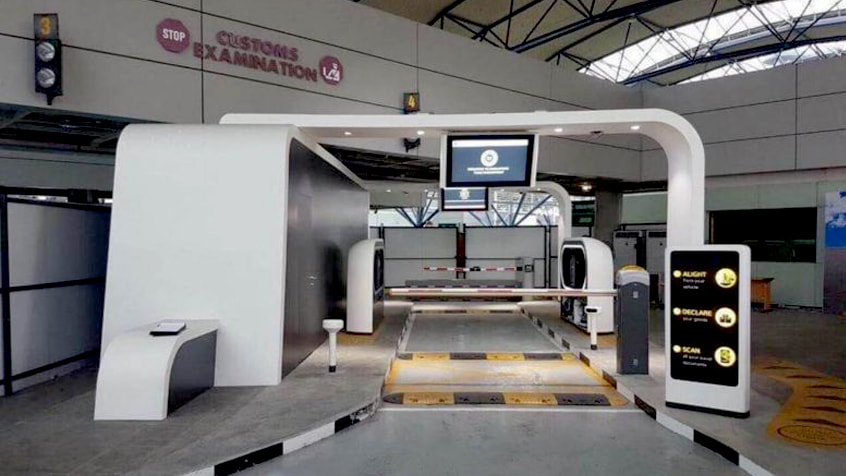
Known as the Automated Passenger In-car Clearance System (APICS), the prototype was developed to improve security and service experience for car travel at our land checkpoints by leveraging biometric and intelligent robotics technology. Travellers could perform immigration self-clearance while seated in their cars through the use of biometric scanners. The working prototype of APICS was on trial at Woodlands and Tuas Checkpoints.
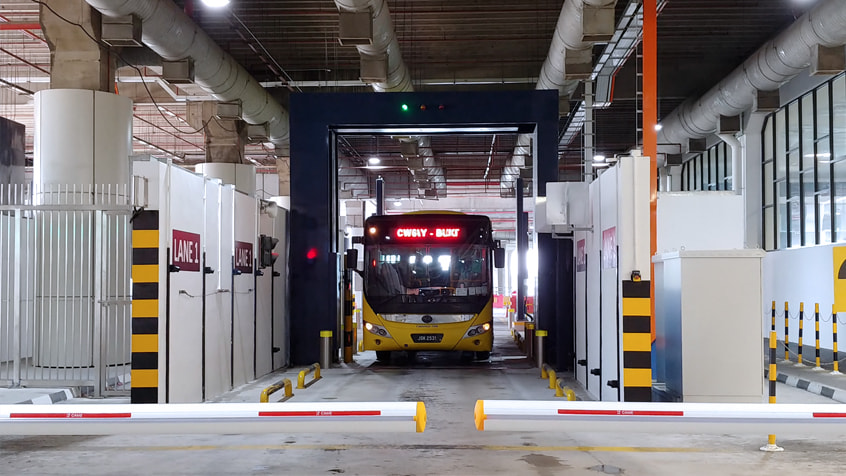
Instead of boarding buses to visually check for hidden goods and people, the scanners at Tuas Checkpoint enabled our officers to spot anomalies in various parts of the bus. Based on anomalies flagged by the scanner, targeted checks on specific parts of the bus will be conducted. This has produced better security outcomes and allowed ICA to clear a larger number of buses at a faster rate.
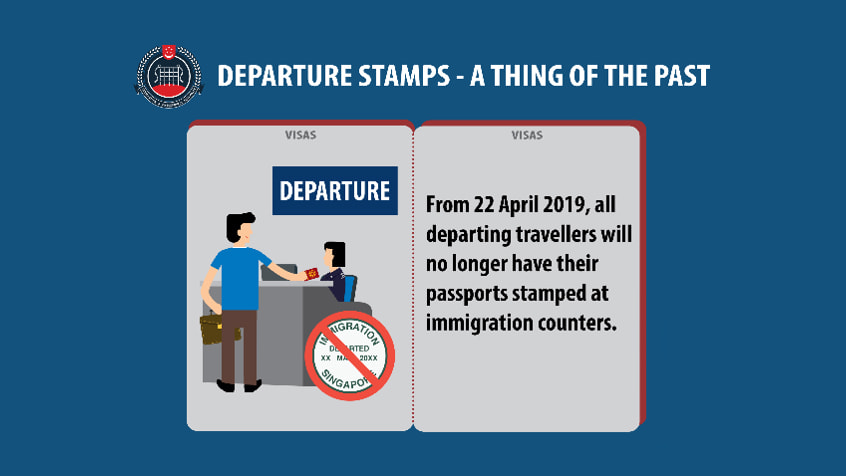
In April, ICA ceased to issue departure immigration endorsements to all departing foreign travellers, streamlining immigration procedures and providing more efficient departure immigration clearance for travellers.
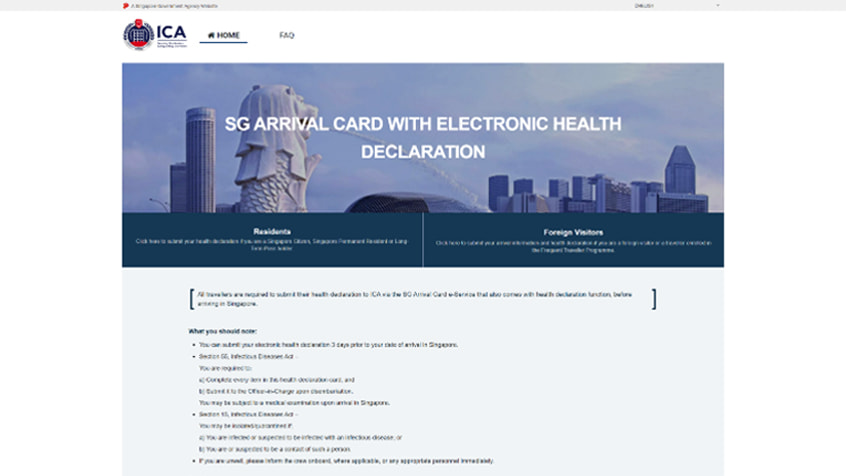
The SG Arrival Card e-Service, was implemented in March. It enabled travellers to submit information prior to their arrival in Singapore. This replaced the need to fill out a paper-based disembarkation/embarkation card. Travellers could submit their information before they arrived in Singapore.
The SGAC was also integrated with the health declaration function, which became a mandatory requirement for travellers entering Singapore during the COVID-19 pandemic.
.jpg?sfvrsn=a4fd458f_0)
Multi-Modal Biometrics System (MMBS), which uses iris and facial biometrics as primary identifiers for immigration clearance, was implemented in July at all checkpoints. Fingerprints are used as a secondary biometric identifier for travellers who are unsuccessful in their iris and facial scans.
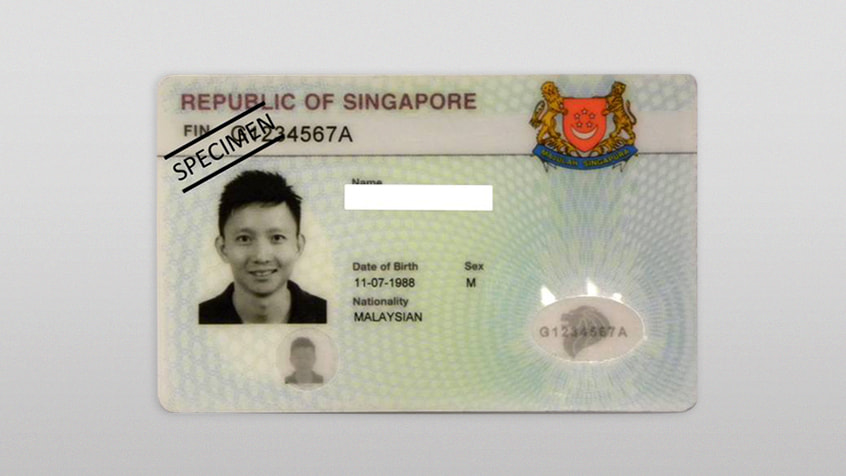
With the aim to achieve a "No Fuss, No Visit and No Waiting" customer service experience, ICA reviewed its Long-Term Visit Pass (LTVP) processes. In August, the LTVP e-service was enhanced to allow applicants to submit the required documents online and to allow ICA to verify the documents backend early.
Previously, applicants were required to submit hardcopy documents in person at ICA Building for the completion of formalities (COF) for the issuance of the LTVPs. Those who were unable to produce complete documents would be turned away. With the enhancement of the LTVP e-Service, their transaction time at the counter was shortened.
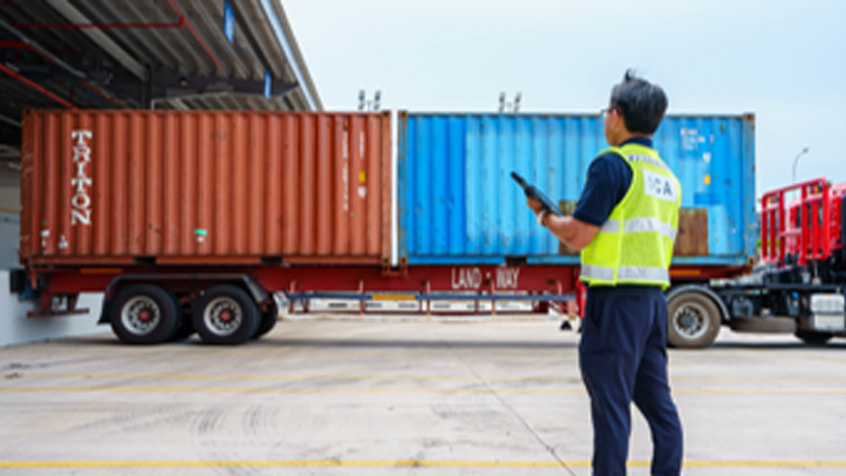
Since October, ICA had progressively implemented “On-the-Fly” clearance and Mobile Cargo Screening System (CASS) at Tuas Port to speed up the cargo clearance process. With “On-the-Fly” clearance, drivers no longer needed to proceed to a holding area to wait for the results of the scanned images of their cargo containers but would be informed of the results en route to the Terminal Exit Gate.
The Mobile CASS allowed officers to validate Cargo Clearance Permits on the spot at the secondary checking bay, without them having to return to the duty office to do so. This reduced waiting time for the drivers.
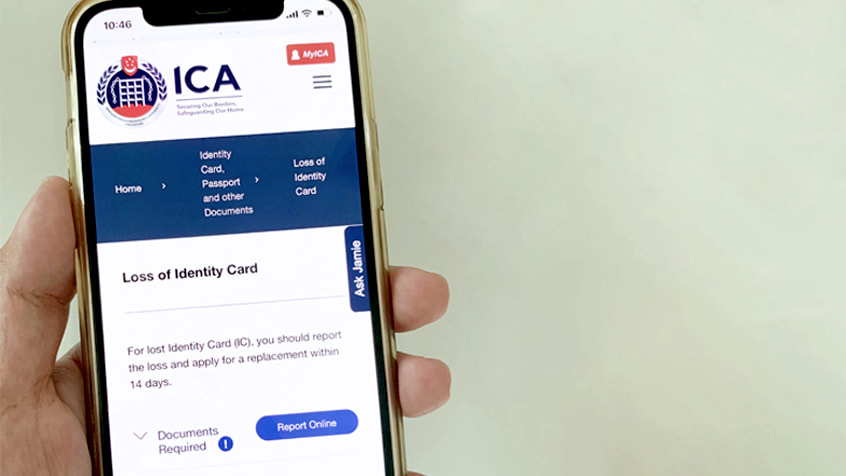
ICA successfully moved all its core application services online, including the introduction of an e-Service for the reporting and replacement of lost identity card in October.
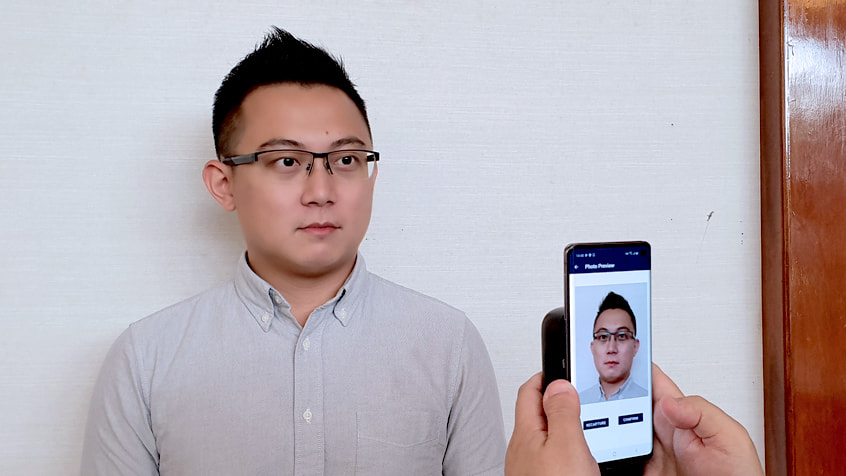
The Mobile Automated Verification & Identification System (MAVIS 2) is ICA's next-generation mobile screening and identfication system. Installed on ICA issued smartphones, the app-based system offers an extensive range of biometrics capabilities (including facial and iris scans) to screen and identify subjects. The system also allows officers to execute important text-based enquiries to verify identities, and establish past travel patterns and declarations of persons of interest. Real-time access to such information allows officers to sense-make on the go and is critical for smarter and more efficient operations.
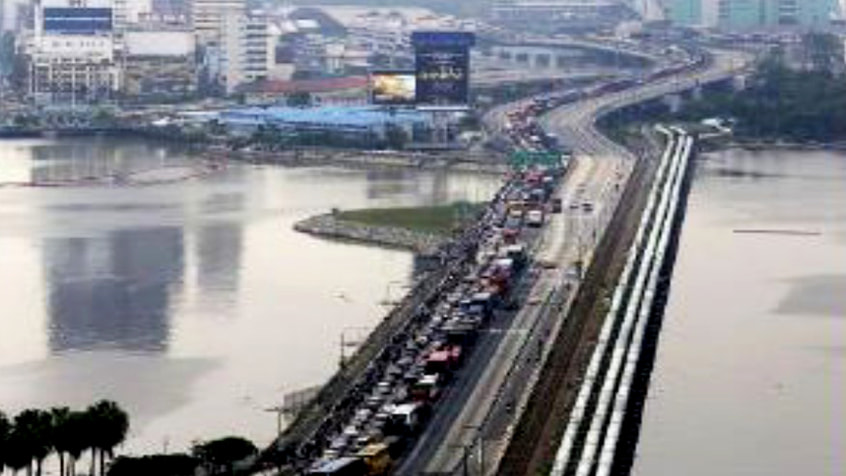
ICA constantly explores new technological capabilities to enhance and future-proof our operational processes. In collaboration with HTX, ICA trialled the use of mobile Unmanned Aerial Vehicle (UAV) to patrol the land checkpoints' perimeters as well as undertake traffic and security surveillance. With the UAVs, the overall surveillance coverage at the land checkpoints can exponentially go beyond static sensors and physical perimeters.
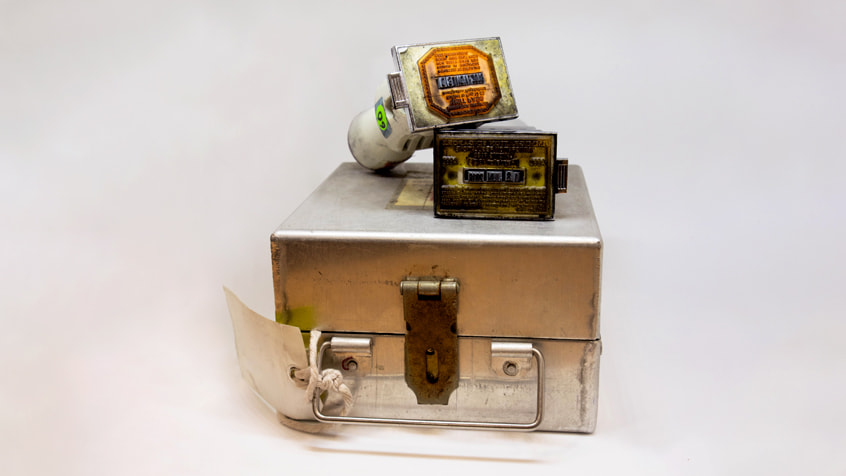
Physical stamps are of the past
Since March, ICA ceased inked endorsement stamps on passports for foreign visitors arriving in Singapore at all checkpoints. Instead, travellers will receive an e-Pass through email.

Physical endorsement on cargo permits for conventional cargo ceased in February. This reduced the turnaround time for vehicles and cargo passing through the cargo checkpoints.
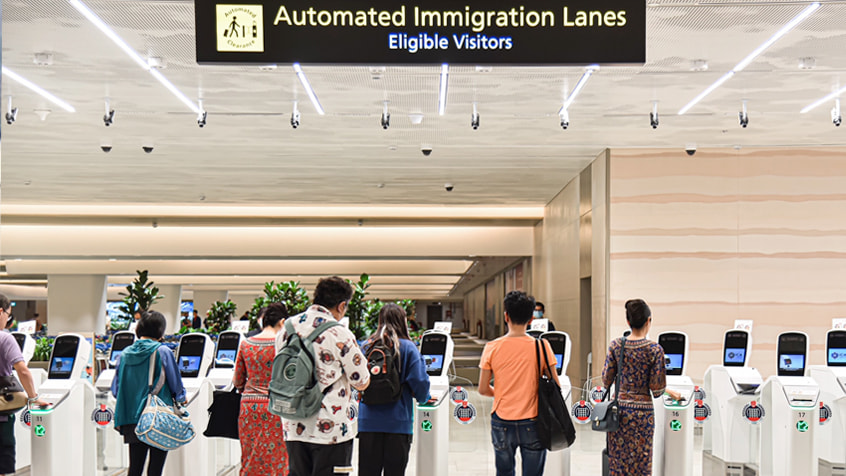
The Automated Clearance Initiative (ACI) with self-enrollment capability has been rolled out progressively since October. Eligible foreign visitors, including those visiting Singapore for the first time, can use the automated lanes for immigration clearance on arrival, without prior enrollment of their biometrics.
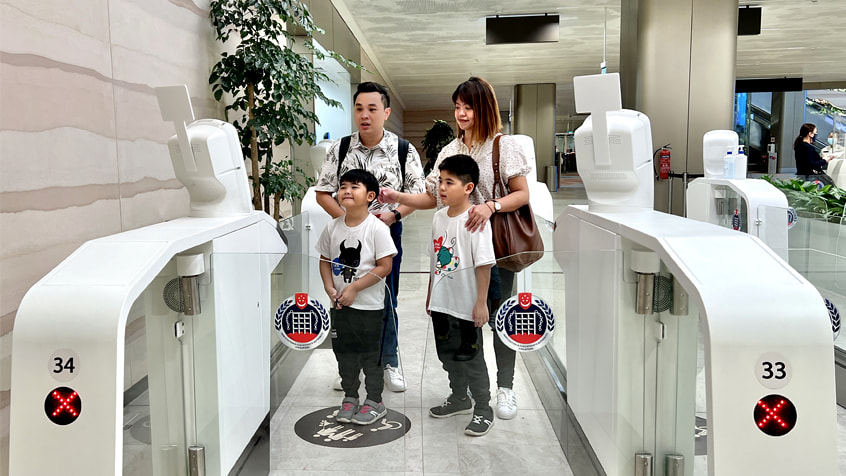
In December, Special Assistance Lanes were introduced, making Singapore the first country in the world to introduce an automated lane for multiple travellers to perform self-immigration clearance as a group. ICA will progressively replace all manual counters in the passenger halls with automated lanes to enhance efficiency and traveller experience.
.jpg?sfvrsn=a33f3475_0)
In February, ICA ceased the issuance of physical Long-Term Pass (LTP) cards. Instead, LTP holders can access and download their digital LTP from digital platforms such as MyICA app or FileSG.
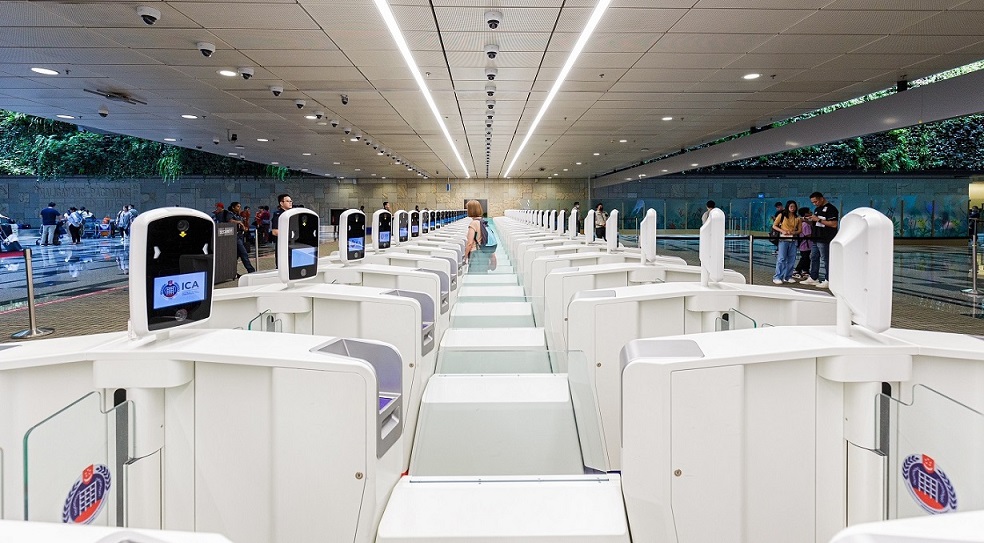
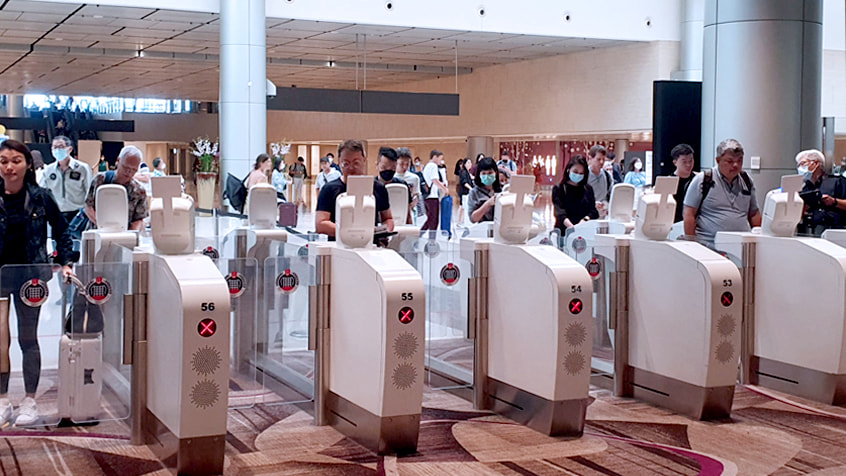
ABCS lanes at Changi Airport
2024: Automated Clearance as the Norm
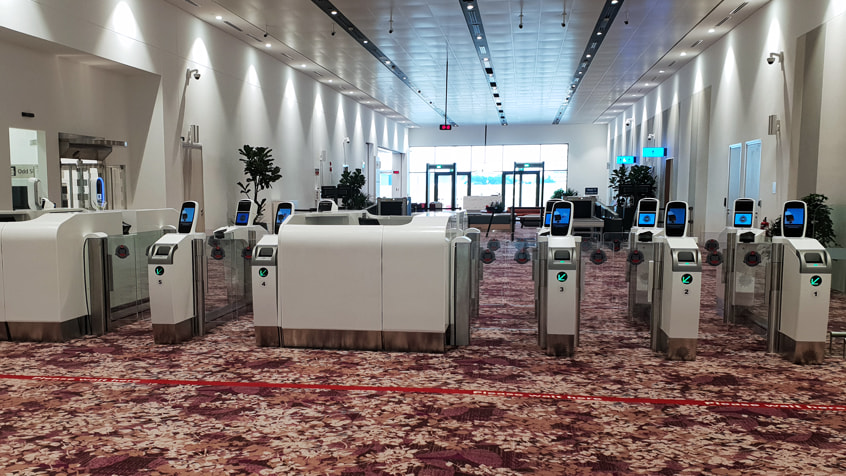
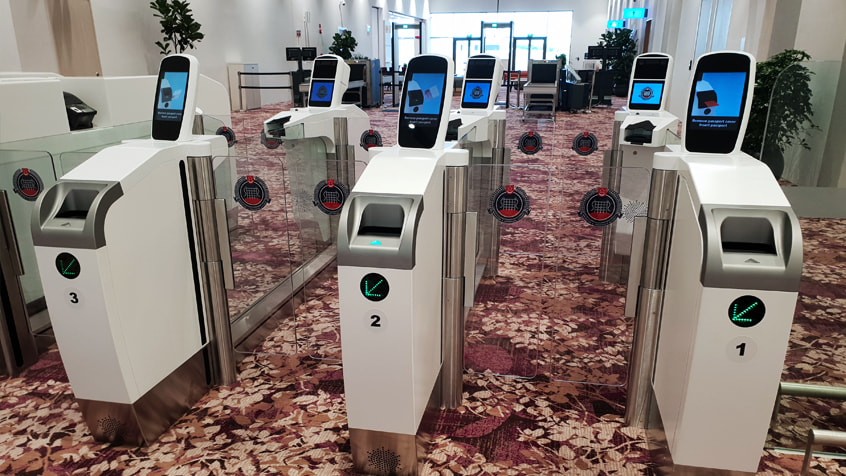
The Automated Border Clearance System (ABCS) lanes had progressively replaced the current automated lanes and manual counters. Since May 2024, all foreign visitors arriving in Singapore, regardless of nationality, had been able to use the automated lanes at Changi Airport, without prior enrolment. By end-2024, arriving Singapore residents and all departing travellers will be able to enjoy contactless (‘passport-less’) clearance, when travelling through air and sea checkpoints. Singapore may be one of the first in the world to automate all passenger clearance!
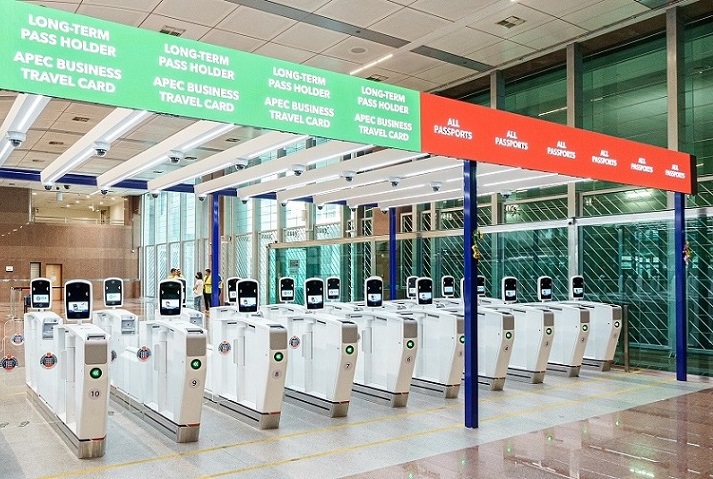
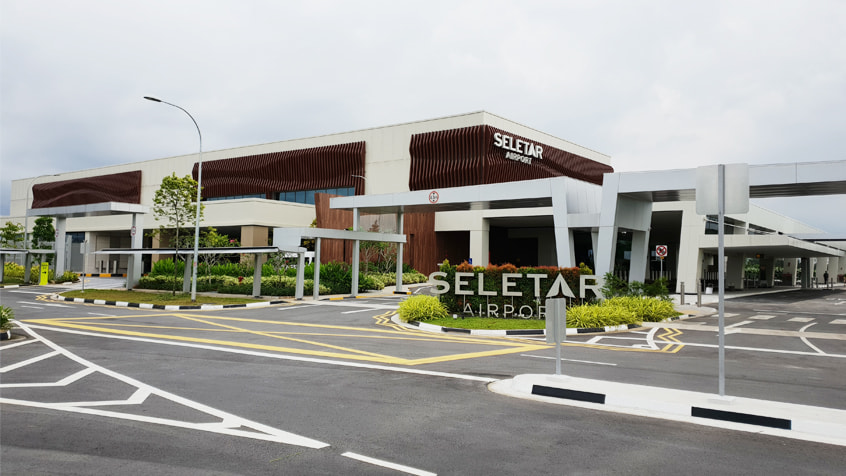
ABCS lanes at Tuas Checkpoint
2024: Automated Clearance as the Norm
The Automated Border Clearance System (ABCS) lanes had progressively replaced the current automated lanes and manual counters. Since May 2024, all foreign visitors arriving in Singapore, regardless of nationality, had been able to use the automated lanes at Changi Airport, without prior enrolment. By end-2024, arriving Singapore residents and all departing travellers will be able to enjoy contactless (‘passport-less’) clearance, when travelling through air and sea checkpoints. Singapore may be one of the first in the world to automate all passenger clearance!
2024: QR Code Clearance at Land Checkpoints
As of 16 December 2024, ICA has implemented QR code clearance for all travellers across all transport modes at our land checkpoints. Travellers now enjoy up to 30% time savings in performing immigration clearance.
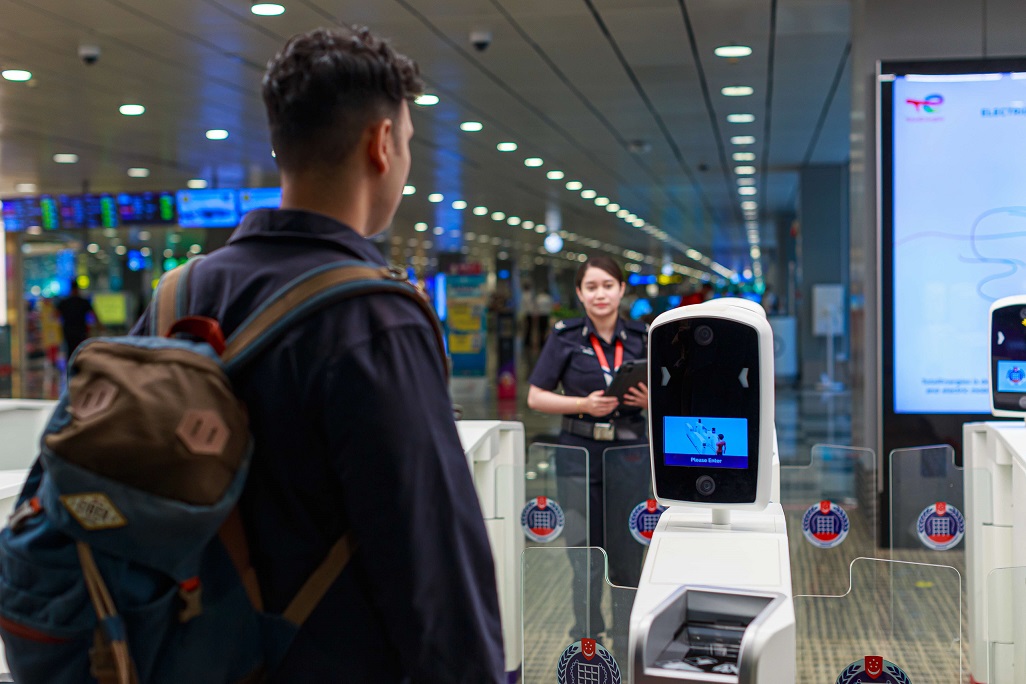
Token-less clearance at Changi Airport
2024: Token-less Clearance at Air and Sea Checkpoints
Since September 2024, travellers at Changi Airport can clear immigration using just their facial and iris biometrics, without presenting their passports. This has cut clearance time from 25 to 10 seconds per person.
This token-less clearance process has been extended to Marina Bay Cruise Centre Singapore from 16 December 2024 and will progressively be implemented at the remaining sea checkpoints.
Singapore residents - including citizens, permanent residents, and long-term pass holders – will benefit from token-less clearance at air and sea checkpoints. Foreign travellers will enjoy the same convenience when departing Singapore.
2c0d2973-c512-4654-a83f-49efee6d84f6.jpg?sfvrsn=f2069c5b_0)
Our self-collection kiosks are built with accessibility in mind. Equipped with an auto-adjusting camera, they capture biometrics seamlessly for people of all heights.
2025: Integrated Smart Document Management System (iSMART)
In July 2025, ICA introduced the Integrated Smart Document Management System (iSMART) – an advanced solution that sorts, stores, retrieves, and issues documents using automation, robotics, and biometric technologies.
Now, eligible customers can skip the counter and conveniently collect their passports or identity cards at self-collection kiosks at the ICA Services Centre – quickly, securely, and hassle-free.
f2126452-8525-4b64-bb2e-9ba36082bd43.jpg?sfvrsn=7b2211ce_0)
The iRobo is programmed to deliver documents to self-collection kiosks and service rooms – easing the manual work of tracking and transporting the documents.
2025: Integrated Smart Document Management System (iSMART)
In July 2025, ICA introduced the Integrated Smart Document Management System (iSMART) – an advanced solution that sorts, stores, retrieves, and issues documents using automation, robotics, and biometric technologies.
Now, eligible customers can skip the counter and conveniently collect their passports or identity cards at self-collection kiosks at the ICA Services Centre – quickly, securely, and hassle-free.



Share this link via